What’s Inside
- Fake The Brick (Unless You Have It)
- Anchor With Distressed Leather
- Layer Your Lighting Strategically
- Soften The Floor With Sheepskin
- Stop Buying Tiny Knick-Knacks
- Add Vertical Warmth To High Ceilings
- Paint One Wall Charcoal
- Mix Glass With Reclaimed Wood
- Buy Massive Plants (And Metal Planters)
- Texture Up With Heavy Throws
- Avoid The Plastic Trap Entirely
- Fix The Awful Echo
- Pick Floor Lamps With Real Character
- Define Zones In Open Layouts
- Stick To Neutrals With Rust Accents
- Build Custom Scaffolding Shelving
- Use Concrete Planters For Centerpieces
- Hang Vintage Edison Pendants
- Style The Coffee Table With Intent
- Add A Secondary Reading Nook
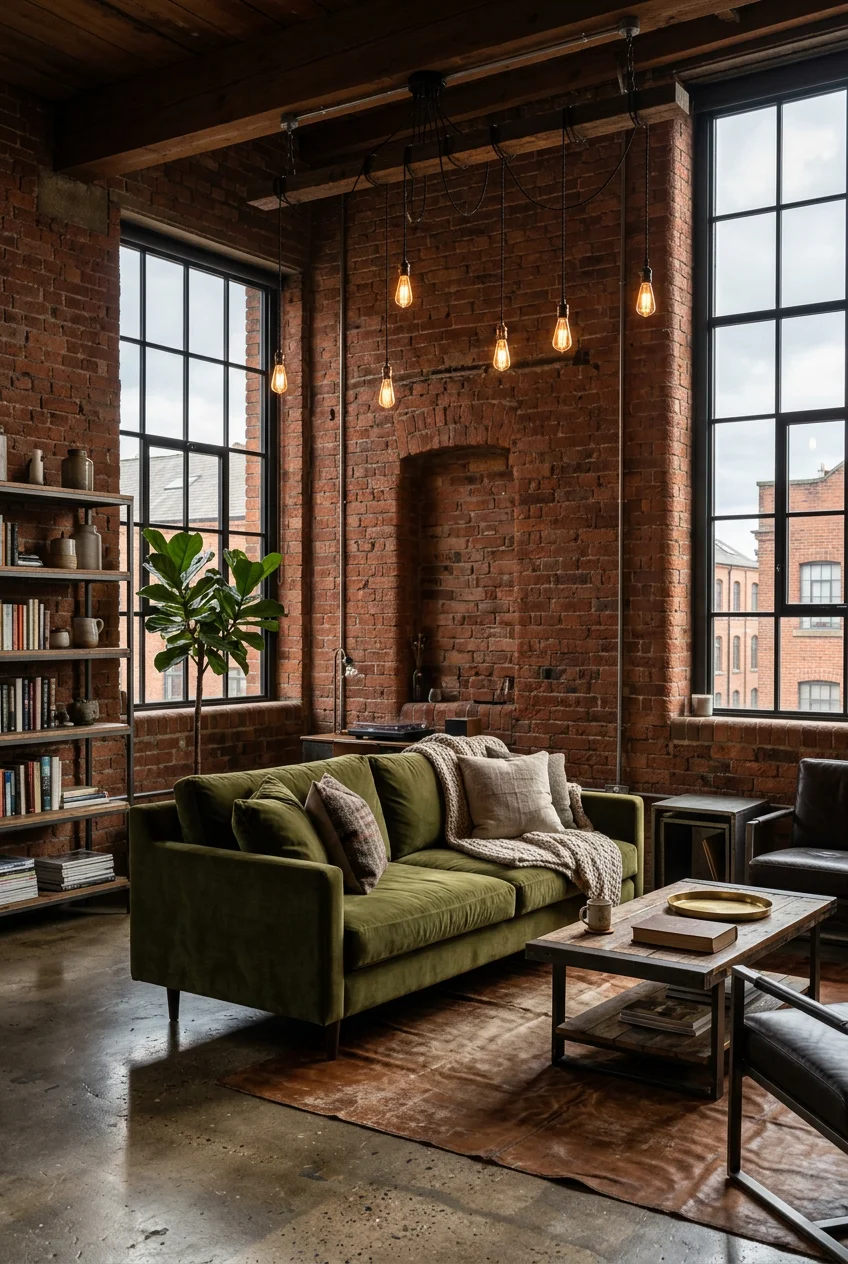
I sat on my cold concrete floor last October, shivering in what was supposed to be my dream cozy industrial living room. I’d stripped the drywall, exposed the ductwork, and bought all the metal furniture I could afford, but it just felt like a sterile warehouse. It echoed when I coughed. I did this all wrong for months before I figured it out. Industrial design doesn’t mean building a factory in your house. It requires a very deliberate layering of soft textures over hard architectural bones to make it livable. If you’re tired of your space feeling cold and uninviting, we need to talk about fixing the balance. I’ve spent the last three years tweaking my own layout, making plenty of expensive mistakes along the way. I learned that the hard way. Let’s break down exactly how to warm up those raw materials without losing the edge.
1. Fake The Brick (Unless You Have It)

Bare drywall just won’t cut it when you’re bringing in heavy metal and leather furniture. The contrast is too stark, and it makes the room feel unfinished. I originally tried painting a faux brick stencil on my apartment wall using a sponge. It looked like a kindergarten art project. If you’re trying to build a proper industrial backdrop, the walls need to look authentic.
Skip the cheap peel-and-stick options from the hardware store. They peel at the corners and look shiny under artificial light. Instead, I used the Kemra Classic Red Bricks Mural. It costs exactly $180 per mural roll at Milton & King. The paper has a matte, slightly gritty finish that actually absorbs light like real masonry. You’ll need two rolls for a standard 12-foot wall. Apply it with a heavy-duty wallpaper paste. It completely grounds the space without the dust of actual exposed brick.
2. Anchor With Distressed Leather

A fabric sofa in an industrial space often looks out of place, but a brand-new, shiny leather sofa looks like it belongs in a corporate waiting room. You need leather that looks like it has lived a little. I bought a cheap bonded leather couch five years ago, and it started peeling within six months. It’s a mistake I won’t repeat.
Invest in a statement piece with a metal frame. The Homary Industrial Style Upholstered Leather Sofa With Metal Frame runs about $1,602.99 and provides that exact vintage warehouse vibe. If you prefer a mid-century lean, the Article Sven Sofa in Charme Tan Leather is $1,899. The smell of real, distressed leather—that earthy, rich scent—instantly warms up the room. Condition it with 2 tablespoons of Leather Honey every six months to keep it from cracking near the heating vents.
3. Layer Your Lighting Strategically

Lighting is the single biggest reason industrial designs succeed or fail. When I first moved in, I relied entirely on the overhead track lighting. It felt like an interrogation room. You can’t rely on a single light source when you have dark, heavy materials in the space.
You need ambient, task, and accent lights. I bought the Franklin Iron Works Industrial Bronze Adjustable Downbridge Floor Lamp from Lamps Plus for $299.99. I placed it right next to my reading chair. The bronze finish adds a warm metallic tone, and the downward shade creates a cozy pool of light instead of blasting the whole room. Always install a dimmer switch on your main overheads. It’s a non-negotiable step for setting a relaxed mood. Trust me on this.
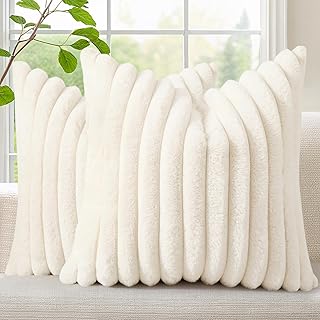
decorUhome Summer Cozy Faux Fur Throw Pillow Covers 18×18
A dependable everyday pick — decorUhome Summer Cozy Faux Fur Throw Pillow Covers 18×18 Set of 2 Dec pulls in 3 ratings at 4.5 stars. Not flashy, just solid.
4. Soften The Floor With Sheepskin

Concrete or dark hardwood floors are staples of this aesthetic, but they’re unforgiving on your feet. Last winter, I refused to cover my stained concrete floors because I wanted to maintain the raw look. I ended up wearing thick boots inside just to stay warm. That isn’t cozy.
You have to counterbalance the raw materials with luxurious textures. I ordered a genuine 5.5×6 ft multi-pelt rug from SheepskinTown for $350. I threw it down right over the cold concrete in front of the sofa. The deep charcoal wool absorbs sound and provides a wildly soft contrast to the hard lines of the metal coffee table. Don’t buy the acrylic fakes. They mat down after two weeks and look like dirty cotton balls.
5. Stop Buying Tiny Knick-Knacks

Most people get this wrong when styling shelves. They buy dozens of tiny metal gears, small clocks, and little wire baskets. I did this too. My bookshelves looked like a cluttered antique shop rather than a curated home. Industrial rooms don’t need more decor; they need better scale.
Clear out the small items. Replace them with a few massive, impactful pieces. I went to Target and bought two of their oversized Threshold ceramic vases for $25 each. I placed them on a raw wood console table with absolutely nothing else around them. The negative space makes the room feel larger and more intentional. Let the architecture and the furniture do the heavy lifting.
6. Add Vertical Warmth To High Ceilings

If you have tall ceilings or exposed ductwork, all your furniture probably sits below the three-foot mark. This creates a weird visual void in the upper half of the room. I stared at my empty walls for a year before realizing the room felt cold because everything was squat and horizontal.
You have to draw the eye upward. I incorporated the 8 ft. 4 in. Tree of Souls luxury industrial floor lamp from Pandemic Design Studio. It’s an investment piece made from galvanized steel pipe fittings, but it completely fixed the proportions of my living room. If you can’t swing a massive lamp, install vertical reclaimed wood panels behind your TV or hang extra-long curtain panels closer to the ceiling line.

KHOYIME Large Macrame Wall Hanging Boho Woven Tapestry
KHOYIME Large Macrame Wall Hanging Boho Woven Tapestry has been one of the most consistently praised picks in this category. 994 reviewers averaged 4.5/5.
7. Paint One Wall Charcoal

People are terrified of dark paint. They think it will make their room look like a cave. I painted my entire living room bright white to maximize the light, but it just made my metal furniture look harsh and floating. You need dark tones to anchor the space. You might also like: 20 Creative Cozy Farmhouse Decor Ideas That Actually Work
I finally caved and painted the wall behind my sofa in Benjamin Moore’s Iron Mountain. It costs about $70 a gallon. It’s a deeply saturated charcoal with warm undertones. The dark background immediately made the tan leather sofa pop and absorbed the glaring afternoon sun. It creates a grounded, moody atmosphere that feels incredibly inviting at night. Just stick to one accent wall if you’re nervous. You might also like: 19 Ganesh Decoration Ideas Home Decor Worth Trying
8. Mix Glass With Reclaimed Wood

A common trap is buying everything in rough, unfinished wood. If your floors, shelves, and coffee table are all raw timber, the room starts looking like a rustic cabin instead of an industrial loft. You need a mix of refined surfaces. You might also like: 18 Easter Home Decor Ideas Worth Trying
I balanced my space by pairing a reclaimed wood base with a sleek glass top. I found a great coffee table at West Elm for $499 that does exactly this. The smooth, polished glass reflects light and breaks up the heavy, matte textures of the wood and brick. You can also achieve this by placing a polished concrete tray on a rough wooden ottoman. The friction between the two materials is what makes the design work.
9. Buy Massive Plants (And Metal Planters)

Industrial spaces desperately need organic life. Without plants, the metal and brick feel dead. I used to buy tiny succulents and scatter them around, but they got completely lost against the heavy architecture. You need massive, structural greenery.
Last Tuesday, I grabbed a huge Monstera plant from Trader Joe’s for just $19.99. It thrives in the bright, indirect light of my large windows. To keep the aesthetic intact, I skipped the standard ceramic pots and bought a 14-inch galvanized steel bucket from Walmart for $12. I drilled a few drainage holes in the bottom and planted the Monstera directly in it. The wild, leafy green against the cold steel is visually stunning.

Vintage Vase Set of 3, Ceramic Vintage Flower Vases
If you want something that just works, Vintage Vase Set of 3 is a safe bet (306 reviews, 4.5 stars).
10. Texture Up With Heavy Throws

A leather sofa looks great, but it’s cold when you first sit down. I used to keep thin polyester blankets draped over the arms, but they slipped off constantly and generated terrible static electricity. They also looked cheap against the high-quality leather.
You need heavy, natural fibers to add real comfort. I bought a 40×50 inch chunky knit cotton throw from Wayfair for $45. I also splurged on a woven cotton blanket from Slowdown Studio for $295. I drape them casually over the back of the chairs. The thick weave provides physical warmth and breaks up the smooth surface of the leather. Stick to neutral tones like charcoal, olive, or ivory.
11. Avoid The Plastic Trap Entirely

This is my biggest pet peeve. You can’t put a plastic side table in an industrial room. It ruins the illusion instantly. I bought a cheap acrylic lamp once because it was trendy, and it looked ridiculous sitting next to an iron shelving unit. Industrial design is rooted in durability.
Everything you bring into the room should be made of metal, wood, glass, or masonry. I replaced my flimsy side tables with solid acacia wood blocks that have cast iron bases. They weigh 40 pounds each and won’t tip over when my dog bumps into them. Authentic materials age beautifully. Plastic just gets scratched and ends up in a landfill.
12. Fix The Awful Echo

Hard surfaces bounce sound around like crazy. When I first finished my living room, I couldn’t even watch TV comfortably because the audio echoed off the brick walls and concrete floors. It sounded like I was living inside a tin can.
You have to incorporate sound-absorbing materials to make the space livable. I went to Target and bought four panels of their Threshold heavyweight linen curtains for $35 each. I hung them high and wide over the windows. I also added a dense felt rug pad under my area rug. These soft additions absorbed the excess noise immediately, making the room feel intimate and quiet instead of cavernous.
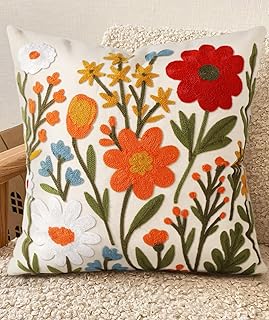
Embroidered Throw Pillow Cover 18×18 Inch
A dependable everyday pick — Embroidered Throw Pillow Cover 18×18 Inch – Spring Summer Boho Decorat pulls in 348 ratings at 4.5 stars. Not flashy, just solid.
13. Pick Floor Lamps With Real Character

Standard floor lamps with white fabric shades look completely out of place next to exposed pipes. I had a generic brass lamp from my college dorm that I tried to make work, but it just looked sad. Your lighting fixtures need to match the architectural weight of the room.
Look for styles with clean lines, sturdy materials, and finishes like matte black, brushed metal, or aged brass. I upgraded to a modern industrial piece from Visual Comfort and Co. for $450. It features a heavy cast iron base and a seeded glass shade. It’s heavy, functional, and looks like it was salvaged from a 1920s factory. It acts as a piece of sculpture even when turned off.
14. Define Zones In Open Layouts

Open floor plans are great until you try to arrange furniture. My living room flows directly into my kitchen, and for a long time, the sofa just felt like it was floating in the middle of a runway. It wasn’t cozy; it was confusing.
You have to define the seating area to make it feel intimate. I used a large 7×9 ft distressed vintage-style rug from Rugs USA, which cost about $200. I made sure the front legs of the sofa and the accent chairs all sat firmly on the rug. This created a distinct “living room” island within the open space. Keep the pathways around this zone completely clear so you don’t lose the airy warehouse feel.
15. Stick To Neutrals With Rust Accents

A cozy industrial living room shouldn’t look like a rainbow. I once tried to add bright teal pillows to my gray sofa, and it looked completely disjointed. The base palette needs to stay strictly neutral: grays, whites, blacks, and wood tones.
When you do add color, it needs to look organic to the environment. I swapped the teal for deep rust and olive green. I bought two 20×20 inch velvet pillows from CB2 in a burnt rust color for $40 each. The rust mimics the look of oxidized metal and aged brick, so it blends perfectly with the industrial theme while providing a much-needed punch of warmth.

PERFNIQUE Irregular Wall Mirror Asymmetrical Mirror
PERFNIQUE Irregular Wall Mirror Asymmetrical Mirror punches above its price — 633 buyers rated it 4.5 stars. I would buy it again.
16. Build Custom Scaffolding Shelving

Store-bought bookcases often look too flimsy for an industrial space. I bought a standard particleboard bookshelf, and it bowed under the weight of my heavy art books within a month. If you want authentic industrial storage, you have to use industrial materials.
I built my own shelving unit using scaffolding tubes and pine planks. I bought the 3/4-inch black iron pipes and fittings from Home Depot for about $15 per piece, and 2×12 pine boards from Lowe’s. I stained the wood with Minwax Dark Walnut. It cost me around $150 total. It’s bolted directly to the wall, holds hundreds of pounds, and looks incredibly custom. Plus, you can configure the exact dimensions you need.
17. Use Concrete Planters For Centerpieces

Your coffee table needs styling, but delicate glass bowls or shiny brass trays clash with the rugged vibe. I used to keep a flimsy mirrored tray on my table, and it showed every single fingerprint and speck of dust.
I switched to raw concrete. I found a heavy, shallow concrete bowl in the floral section at Sprouts for just $14.99. I filled it with 3 cups of dark river stones and nestled three thick pillar candles inside. The rough texture of the concrete is incredibly tactile. It’s a heavy, substantial centerpiece that doesn’t need constant polishing and fits perfectly with the room’s raw aesthetic.
18. Hang Vintage Edison Pendants

Standard LED bulbs emit a harsh, blue-toned light that makes industrial spaces look like a hospital cafeteria. I made the mistake of putting 5000K daylight bulbs in my living room. It completely killed the cozy vibe I was trying to create.
You have to swap your overhead bulbs for warm, vintage-style Edison bulbs. I buy the 4-pack of dimmable LED Edison bulbs from Costco for $14.99. They emit a warm 2700K amber glow and the exposed filaments look fantastic inside wire cages or clear glass pendants. They give off that moody, historic tavern lighting that makes you actually want to sit on the couch and relax.
19. Style The Coffee Table With Intent

A bare coffee table looks abandoned, but a cluttered one ruins the minimalist industrial vibe. I used to stack old mail and random magazines on mine, which just made the whole room look messy. You need functional, intentional styling.
I keep it simple now. I use a heavy forged iron tray to corral the TV remotes. Next to it, I keep a stack of three large architecture books. When I have guests over, I grab a box of artisanal crackers from Whole Foods for $6.99 and serve them in a matte black ceramic bowl right on the stack of books. It’s casual, functional, and maintains the sophisticated, slightly moody aesthetic of the room.
20. Add A Secondary Reading Nook

If your room is large enough, a single sofa isn’t enough to fill the space. I had a huge empty corner near the window that just collected dust and dog toys. It made the room feel unbalanced and cavernous.
I created a secondary zone specifically for reading. I bought a distressed leather butterfly chair and paired it with a small, raw steel side table. I went to Kroger and picked up a heavy glass jar for $8.99, which I use to hold matches for a nearby beeswax candle. This small vignette fills the empty corner, provides extra seating, and adds another layer of function to the room. It’s now my favorite spot to drink coffee in the morning.
Finding the right balance for a cozy industrial living room takes time. You won’t get it right on the first try, and that’s completely fine. Focus on mixing those heavy, raw materials with genuinely soft, natural textures. Skip the cheap plastics, invest in good lighting, and let the architecture breathe. If you found these tips helpful, make sure to pin this article for your next weekend room refresh!
Frequently Asked Questions
How do you make an industrial living room feel cozy?
Add warmth through layered textures. Use chunky knit throws, genuine sheepskin rugs, and distressed leather furniture to soften hard materials like concrete and exposed brick. Swap harsh overhead lights for warm Edison bulbs and dimmer switches.
What colors work best in a cozy industrial living room?
Stick to a neutral base of charcoal gray, matte black, stark white, and natural wood tones. Introduce warmth through intentional accent colors like deep rust, olive green, or aged copper in your throw pillows and accessories.
Can I use fake brick in an industrial living room?
Yes, but avoid cheap peel-and-stick options that look shiny. Invest in high-quality, matte-finish brick wallpaper or murals from brands like Milton & King. These mimic the texture and light absorption of real masonry.
What kind of plants fit an industrial living room?
Large, architectural plants like Monstera, Rubber Plants, or Fiddle Leaf Figs work best. Place them in raw material planters like galvanized steel buckets or heavy concrete bowls to maintain the rugged aesthetic.
