What’s Inside
- Start With A Sun-Washed Neutral Foundation
- Layer Muted Pastels For Subtle Color
- Invest In A Linen Slipcovered Sofa
- Prioritize Authentic Distressed Wood Furniture
- Anchor The Ceiling With Wrought Iron Accents
- Hang Natural Flowy Textiles For Drapes
- Ground The Space With A Large Natural Fiber Rug
- Create Ambient Lighting With Multiple Sources
- Use Subtle Patterns Sparingly
- Display Curated Functional Clutter
- Blend Old And New With Personal Touches
- Embrace Imperfection And Natural Patina
- Introduce Greenery With Fresh Botanicals
- Pay Attention To Scale And Proportion
- Limit Textures To Three Primary Materials
- Add An Oversized Architectural Wall Clock
- Incorporate Architectural Salvage Pieces
- Use Woven Baskets For Hidden Storage
- Layer Gold Gilt Mirrors For Light
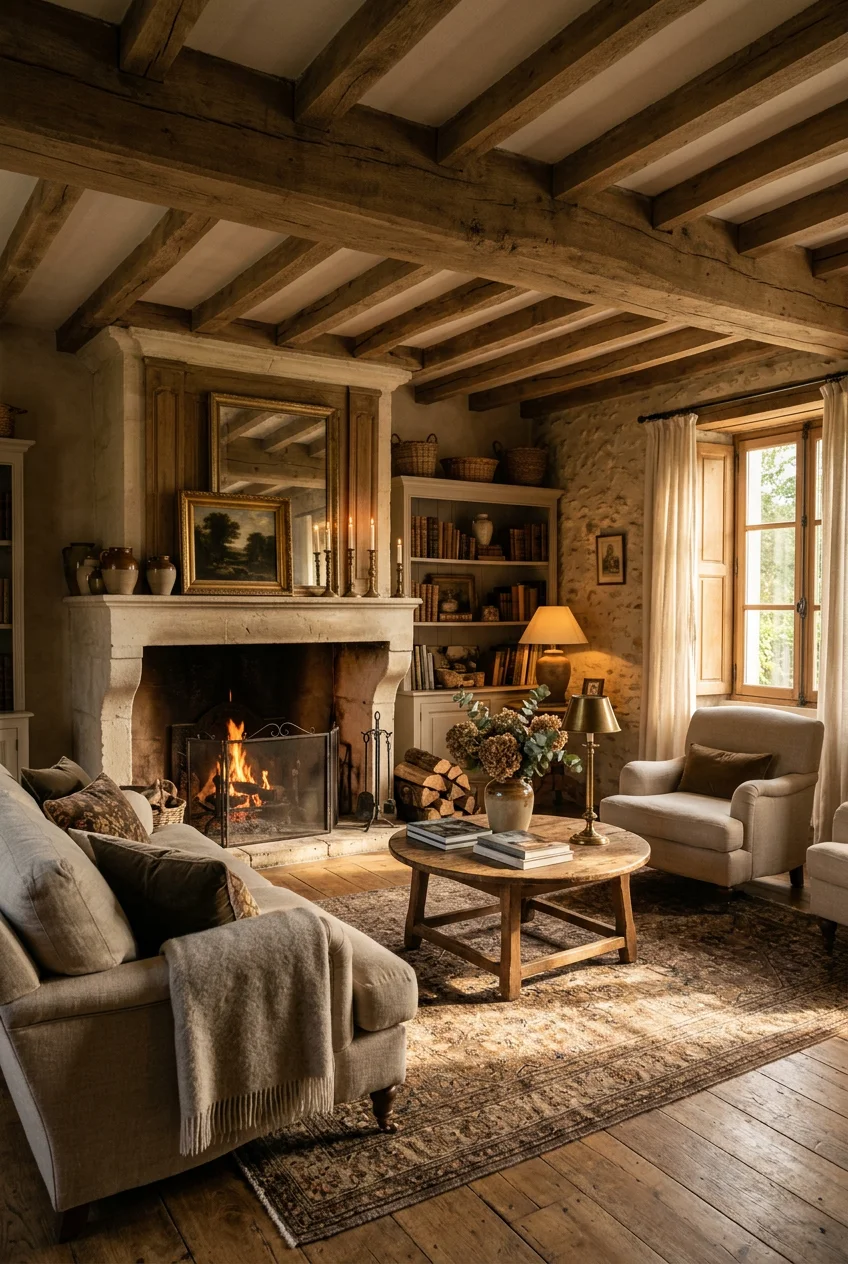
Three years ago, I painted my entire main floor a stark hospital white. I thought it’d magically give me a cozy French country living room. Instead, it looked like a sterile waiting room. The afternoon glare gave me a headache by 3 PM every day. Creating a truly cozy space isn’t about copying a catalog page. It requires layering the right muddy tones, specific linen weights, and actual vintage pieces that smell like old wood and beeswax. I did this wrong for months before figuring it out. Trust me. You can’t just buy a matched furniture set and call it a day. Let’s look at how to fix a flat, boring room this weekend using specific paint colors, washable fabrics, and real architectural salvage that brings character to your space.
1. Start With A Sun-Washed Neutral Foundation

I used basic builder-grade white for months before realizing it just looks cheap. You need soft, warm whites to anchor the space. I repainted my walls last October with Benjamin Moore’s Simply White OC-117 ($64 a gallon). It has a faint yellow undertone that catches the afternoon light without reading as heavy cream. If your room gets harsh southern exposure, Sherwin Williams Repose Gray (SW 7015) is a safer bet. It’s a versatile light gray with warm undertones that absorbs glare perfectly. Skip the stark whites. They make rustic wood look dirty rather than charming. A trend for 2026 is moving away from these cold whites anyway. I spent a weekend rolling Simply White over my old gray walls, and the difference in warmth was immediate. It costs about $120 for two gallons, which is the cheapest way to fundamentally change your room’s temperature.
2. Layer Muted Pastels For Subtle Color

You don’t want bright, saturated colors competing with your wood tones. Introduce soft blues, pale sage greens, or dusty pinks through textiles. I bought a set of four 20×20 inch throw pillows from Target last Tuesday. They cost $22 each in a muted French blue and sage green linen blend. Tossing those on a neutral sofa adds character without being loud. The mistake people make is buying jewel tones thinking it adds depth. It doesn’t. It just clashes with the rustic vibe. Stick to colors that look like they’ve faded in the sun for a few decades. I tried a navy blue velvet pillow once and it completely ruined the soft, weathered look I wanted. Keep it muddy. A pale sage green cotton throw ($34.99 at HomeGoods) draped over a chair brings in that Provençal feel without trying too hard. These aren’t just background colors. They soften the harsh lines of heavy furniture.
3. Invest In A Linen Slipcovered Sofa

A linen-covered sofa is the backbone of this aesthetic. It offers that relaxed, refined shape that’s trending for 2026. I currently use the Pottery Barn Pearce Square Arm Grand Sofa in their Performance Everydaylinen. The price ranges from $1,119.20 to $2,799 depending on the configuration, and the 92-inch width fits three people comfortably. The slipcover is crucial because you can actually wash it. I spilled coffee on the center cushion last month, unzipped the cover, and threw it in the wash on cold. It came out fine. If you prefer a slightly more modern silhouette, the Ingraham Slipcover Sofa from West Elm ($1,679.20) is a solid alternative. Don’t buy a tight-back mid-century modern sofa if you want a cozy French country living room. The rigid lines fight against the relaxed, draped feeling you need. The linen texture also adds a matte, slightly rough finish that contrasts well with smooth wood tables. You won’t regret choosing a washable fabric.
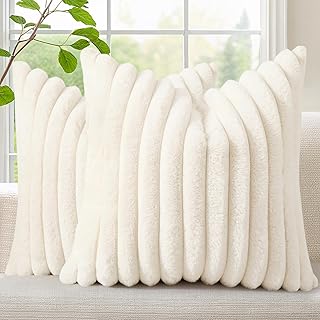
decorUhome Summer Cozy Faux Fur Throw Pillow Covers 18×18
decorUhome Summer Cozy Faux Fur Throw Pillow Covers 18×18 Set of 2 Dec has been one of the most consistently praised picks in this category. 3 reviewers averaged 4.5/5.
4. Prioritize Authentic Distressed Wood Furniture

Buying a brand new, perfectly matched coffee table and end table set is a massive mistake. I did this in my first apartment and it looked like a cheap hotel lobby. French country style requires aged pieces with history. I use an old 60-inch vintage pine farm table as my coffee table. I had to cut the legs down by 10 inches with a hand saw in my garage to get it to the right 18-inch height. It cost me $150 at an estate sale. The surface has real dents, water rings, and scratches from decades of use. You can’t fake that in a factory. If you can’t find a table, look for a distressed wooden armoire to hide your TV. Real rustic wood brings a specific dry, earthy smell to the room that new MDF furniture lacks. Properties with genuine rustic beams and authentic French doors maintain higher resale values for a reason. Real materials matter.
5. Anchor The Ceiling With Wrought Iron Accents

Wrought iron provides the necessary visual weight to balance out all the soft linen and muted colors. I replaced my builder-grade dome light with a 24-inch 6-light Dimmable French Country Chandelier in antique brass from Wayfair. It cost exactly $689.99. It hangs 36 inches above my coffee table. The matte black iron grounds the airy space. You can also use smaller pieces like wrought iron wall sconces from Maxim Lighting’s Elegante Collection (around $112 each). Just don’t overdo it. If you have an iron chandelier, iron curtain rods, and iron side tables, the room starts looking like a medieval dungeon. I made this mistake by adding two heavy iron floor lamps, and the room felt cold. I returned them and swapped in wooden lamps instead. Balance the hard, cold iron with soft fabrics and warm woods.
6. Hang Natural Flowy Textiles For Drapes

Heavy velvet or stiff polyester curtains kill the relaxed vibe immediately. You need linen or cotton with relaxed headers like rod pockets or tab tops. I ordered custom drapes from Dolcewe starting at $26.99 per panel. I chose a 96-inch length in an oatmeal linen blend. They pool slightly on the floor, adding about two inches of extra fabric at the bottom. This intentional puddling looks elegant. The fabric filters the harsh afternoon sunlight into a soft, diffused glow. I used to have rigid grommet curtains, and the perfect folds looked far too contemporary. The linen blend wrinkles slightly, and that’s exactly what you want. You can also find Linen Blend Curtains with a subtle Leaf Jacquard Pattern on Etsy for around $45 a panel if you want a bit more texture. The rough, dry feel of the linen against your hands when you pull them shut at night adds a nice sensory detail to the room. You might also like: 15 TV Stand Decor Living Room for Every Budget

Mindsoft 2 Pcs Embroidered Plaid Throw Pillow Cover 18×18
If you want something that just works, Mindsoft 2 Pcs Embroidered Plaid Throw Pillow Cover 18×18 Inches Moder is a safe bet (2 reviews, 4.5 stars).
7. Ground The Space With A Large Natural Fiber Rug

The most common mistake I see is a tiny 5×7 rug floating awkwardly under a coffee table. For a standard 12×15 foot living room, you need an 8×10 or 9×12 foot rug. I bought a 9×12 chunky jute rug from Costco last summer for $199. It covers almost the entire seating area. The front legs of my sofa and armchairs all sit on the rug, which visually connects the furniture. Jute or wool are the best materials here. I also like the French country style wool rugs from Safavieh or Jonathan Y (usually around $350 for an 8×10). The wool adds a necessary softness underfoot, especially in the winter. My Costco jute rug sheds a bit underneath, which is annoying to vacuum, but the thick, braided texture hides dirt and dog hair exceptionally well. The golden-brown color of the natural fibers adds a layer of warmth that a synthetic gray rug simply can’t provide. You might also like: 20 Beautiful Home Decor Ideas for Any Style
8. Create Ambient Lighting With Multiple Sources

Relying entirely on overhead recessed lighting makes your room feel like a grocery store checkout lane. You need a mix of lamps and sconces to cast a warm glow. I installed a Dagmar 4-Light Dimmable Lantern Teardrop Chandelier from Wayfair above my reading nook. It measures 19.5 inches wide and 35 inches tall, and uses four 40-watt candelabra bulbs. The brass finish reflects the light beautifully. I paid $154 for it on sale. I keep the bulbs at a warm 2700K color temperature. Anything higher than 3000K looks too blue and sterile. I also keep a vintage brass lamp with a pleated linen shade on a small side table. I found the base at a thrift store for $12 and bought a new shade at Target for $20. Turning off the overheads and relying just on the lamps at 8 PM completely changes the mood of the room. It feels enclosed, safe, and inviting.
9. Use Subtle Patterns Sparingly

Floral toile, ticking stripes, and gingham are classic, but you have to use them with restraint. I once upholstered two large armchairs in a busy blue and white toile, and it made me dizzy. It was way too much visual clutter. Instead, I now have one accent chair in a delicate beige floral toile, paired with solid linen cushions on the main sofa. A subtle ticking stripe is much easier to work with. I have two 18×18 inch ticking stripe pillow covers from a local boutique ($35 each) on the sofa. They add just enough pattern to break up the solid blocks of color without demanding attention. If you want to introduce gingham, do it on something small like a lampshade or a single lumbar pillow. The patterns should feel like an afterthought, not the main event. Keep the background neutral so the patterns have room to breathe. You might also like: 20 Black Couch Living Room Decor That Actually Work

Vanselia Ceramic Vase Home Table Decor
Vanselia Ceramic Vase Home Table Decor – Flower Vases Set of 3 Small L has been one of the most consistently praised picks in this category. 406 reviewers averaged 4.5/5.
10. Display Curated Functional Clutter

A totally clear, minimalist surface feels cold. French country style thrives on a lived-in look, which means displaying everyday items. I keep a stack of three worn wooden cutting boards leaning against the wall on my console table. The largest one is 24 inches tall. I also display a heavy ceramic water pitcher I got from Walmart for $14.97 next to a stack of old hardcover books. It sounds messy, but it’s actually curated. The trick is sticking to functional items made of beautiful materials like wood, ceramic, or gleaming copper. Don’t display plastic remotes or junk mail. I keep a small 6-inch copper pot on my side table to hold matchbooks for my candles. The warm reflection of the copper adds a tiny highlight to a dark corner. This approach prevents the room from feeling like a sterile museum exhibit and makes it look like someone lives there.
11. Blend Old And New With Personal Touches

If you buy everything from one catalog, your living room will lack soul. You have to mix eras. I recently bought a 19th Century French Wrought Iron Decorative Panel from Chez Pluie. It’s 32 inches tall and cost about $450 with shipping. I leaned it against the wall on my mantel, right next to a modern, simple glass vase holding fresh branches. The contrast between the heavy, rusted iron and the sleek glass makes both pieces look better. I also have a stack of my grandfather’s old gardening journals on the coffee table. They smell faintly of old paper and dust, which I actually like. When guests sit down, they always ask about the journals or the iron panel. Nobody asks about a generic vase from a big box store. Blending in personal heirlooms gives the room depth and a sense of history that you can’t fake with mass-produced decor.
12. Embrace Imperfection And Natural Patina

Do not buy furniture with fake, painted-on distress marks. It looks cheap up close. Real patina takes time, and you should seek out pieces that have earned their wear. I have a small oak side table next to my sofa that has a massive water ring on the top from a leaky plant pot I left there three years ago. At first, I was furious and tried to sand it out. Now, I just leave it. It adds character. The wood grain is raised in some spots and smooth in others. When you run your hand over it, you feel the history of the piece. I avoid faux finishes entirely now. I’d rather have a plain, inexpensive wood table from IKEA ($49) and let it get naturally scuffed up over five years than buy a $300 table with fake wormholes drilled into it. Authentic wear is a core component of this style.

Heart Pillow, Soft Heart Shaped Pillow with Room Decorative
A dependable everyday pick — Heart Pillow pulls in 682 ratings at 4.5 stars. Not flashy, just solid.
13. Introduce Greenery With Fresh Botanicals

You need organic life to soften the hard wood and iron. I go to Trader Joe’s every Tuesday morning and buy two bundles of dried lavender for $4.99 each. I stick them in a simple white ceramic pitcher on my console table. The smell lasts for weeks and instantly makes the room feel like a farmhouse in Provence. I also keep small terracotta pots filled with fresh rosemary and thyme from Whole Foods ($3.99 a plant) on the windowsill. The rough, chalky texture of the terracotta pots contrasts nicely with the delicate green leaves. I tried using fake plastic olive branches for a while because I have a brown thumb, but they gathered dust and looked awful in the afternoon sun. Stick to real dried flowers or hardy herbs. The faint, earthy smell of the rosemary when you brush past it adds a sensory layer to the room.
14. Pay Attention To Scale And Proportion

This is where most people ruin their layout. They buy massive, overstuffed recliners that swallow the room whole. You have to ensure your sofa, coffee table, and armchairs are proportionate. My living room is 14×16 feet. My sofa is 92 inches wide, leaving about three feet of walking space on either side. I use a 48-inch long coffee table, which leaves exactly 18 inches of clearance between the table and the sofa edge. This is the ideal distance for reaching a drink without feeling cramped. I also pull all my furniture at least six inches away from the walls. Pushing everything flush against the baseboards makes the room look like a waiting area. Floating the furniture, even slightly, creates a cozier, more intimate conversation zone in the center of the room. It feels intentional and allows the curtains to hang properly without being crushed by the back of a chair.
15. Limit Textures To Three Primary Materials

When I first started decorating, I threw every texture I liked into one room. I had velvet, leather, rattan, iron, wool, and glass all fighting for attention. It looked like a thrift store exploded. I’ve since learned to limit the primary textures to three per room. In my living room, the dominant materials are distressed wood, heavy linen, and matte wrought iron. I keep everything else to a minimum. The wood provides warmth, the linen adds softness, and the iron brings structure. If I bring in a new item, it has to fit into one of those three categories. For example, when I needed a new basket for blankets, I skipped the shiny wire bins and bought a woven water hyacinth basket because it reads visually similar to the matte, dry texture of the wood. This strict rule prevents visual clutter and ensures the space remains serene and cohesive.

Arched Wall Mirror Vintage
Arched Wall Mirror Vintage – 24″X36″ Large Retro Silver Scalloped Bead punches above its price. I would buy it again.
16. Add An Oversized Architectural Wall Clock

A large, rustic wall clock is a classic staple for a cozy French country living room. I have a 36-inch round wooden clock with iron Roman numerals hanging above my fireplace. I bought it from Wayfair for $115. The sheer size of it acts as a massive focal point, drawing the eye upward and making the ceilings feel higher. The rhythmic, quiet ticking sound it makes is soothing when I’m reading on the sofa at night. I made the mistake of hanging a small 12-inch clock there previously, and it looked ridiculous floating in the middle of a huge blank wall. Scale matters. The mix of the raw, unfinished pine planks on the clock face with the black iron hands perfectly ties into my three-texture rule. It fills the vertical space without requiring a complicated gallery wall, which can sometimes feel too busy for this relaxed aesthetic.
17. Incorporate Architectural Salvage Pieces

Using actual pieces of old houses is a brilliant way to fake architectural interest in a plain drywall box. I bought two heavy, chipped wooden corbels from an antique mall in Ohio for $65 last summer. They weigh about ten pounds each. I mounted them in the upper corners of the wide doorway leading into my kitchen. They instantly gave the plain opening a custom, historic look. You can also use tall, weathered wooden shutters leaning against a blank wall. The peeling paint and rough texture add incredible depth. I tried using reproduction resin corbels from a craft store once, but they felt plasticky and the fake paint job was obvious from five feet away. Spend the time hunting down real salvage pieces. The authentic chipped lead paint and gouged wood tell a story that mass-produced decor simply cannot replicate.
18. Use Woven Baskets For Hidden Storage

You can’t have a truly relaxing space if there are dog toys and rogue remote controls scattered everywhere. I hide all my daily clutter in large, woven water hyacinth baskets. I bought three of the 16×16 inch square baskets from Target for $25 each. I slide them under my console table. One holds dog toys, one holds extra throw blankets, and one holds my laptop and chargers. The thick, braided texture of the water hyacinth fits the rustic aesthetic perfectly, and they smell faintly like dried grass, which I enjoy. I previously used fabric storage cubes from Walmart, but the soft sides collapsed after a few months and they looked terribly cheap. The rigid woven baskets hold their shape and add a nice, chunky texture to the lower half of the room, grounding the lighter linen fabrics above them.
19. Layer Gold Gilt Mirrors For Light

Rooms with heavy wood furniture can get dark quickly. You need mirrors to bounce the light around. I lean a 4-foot tall ornate gold gilt mirror on my fireplace mantel. I found a great reproduction at an antique fair for $200, but you can find similar styles at places like Arhaus or even big box stores now. The gold finish shouldn’t be shiny; it needs to look slightly tarnished and dull. The mirror reflects the chandelier and the natural light from the window opposite it, instantly doubling the brightness of the room. I layer a smaller, simple wooden framed mirror slightly overlapping the gold one. This layered, casual approach looks much better than hanging a single mirror perfectly centered on the wall. It feels accidental and effortless, which is the entire goal of this aesthetic. If you’re struggling with a dark corner, a mirror is the fastest fix.
Putting together a cozy French country living room takes a bit of patience, especially when you’re hunting for the right vintage wood pieces or the perfect shade of muddy green. I highly recommend starting with the paint and the rug. Those two elements change the entire temperature of the room immediately. Skip the shiny new matched sets and let the room evolve slowly. Pin this list for your next weekend project, and don’t be afraid to leave that water ring on your side table. It just adds character.
Frequently Asked Questions
What colors work best for a cozy french country living room?
Stick to sun-washed neutrals like warm white or soft gray for the walls. Layer in muted pastels like French blue, pale sage green, and dusty pink through textiles. Avoid bright jewel tones or stark, cold whites.
What type of sofa fits the French country style?
A linen slipcovered sofa is ideal. It provides a relaxed, slightly unstructured look that fits the rustic elegance of the style. Plus, slipcovers are practical because you can easily wash them when spills happen.
How do I choose wood furniture for this aesthetic?
Avoid brand new, perfectly matched sets. Look for authentic vintage pieces with real wear, dents, and water rings. A vintage pine farm table or a distressed armoire adds genuine character that mass-produced furniture lacks.
Can I use patterns in a French country living room?
Yes, but use them sparingly. Classic patterns like floral toile, ticking stripes, and gingham work well on accent chairs or throw pillows. Keep the background neutral so the patterns don’t create visual clutter.
