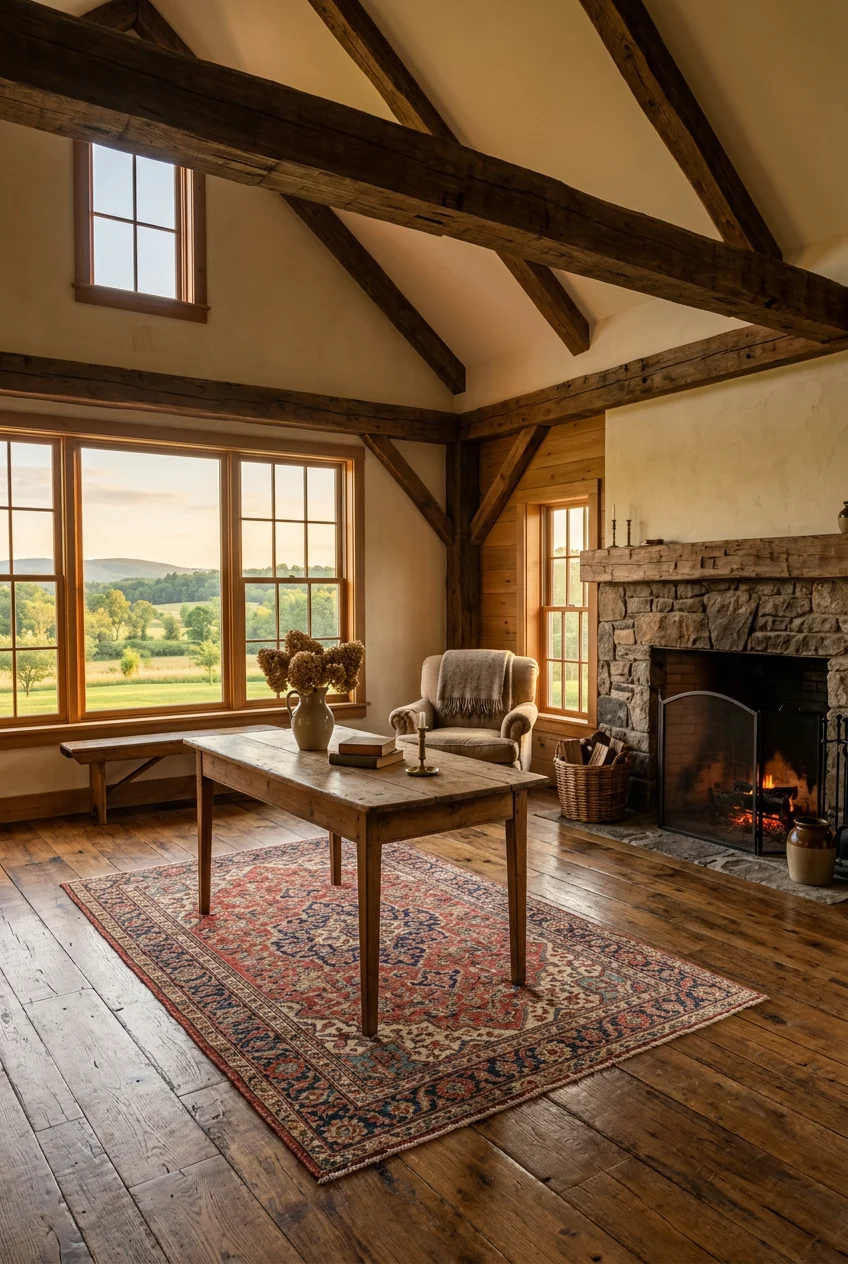
What’s Inside
- Prioritize Authentic Patina Over Faux Distress
- Master the Art of Mixing Old and New
- Embrace a Warm, Layered Neutral Color Palette
- Layer Textiles for Ultimate Coziness
- Strategic Lighting is Key for Antique Farmhouse Decor
- Avoid Clutter by Curating Collections
- Mind Your Scale and Proportion
- Upgrade Your Kitchen with Antique Cookware Displays
- Create a Cozy Living Room with Distressed Wood and Woven Elements
- Design a Serene Bedroom with Iron Beds and Layered Linens
- Surprising Tip: Affordable Antique Etchings for Wall Art
- Trending Approach: Embrace “Folklectic” Antique Farmhouse Decor
- Expert Opinion: Don’t Be Overly Precious with Antiques
- Incorporate Vintage Tiles for Unique Character
- Specific Product: Gooseneck Lighting for Task and Accent
I spent three months staring at a fake distressed console table I bought online before dragging it to the curb. My obsession with antique farmhouse decor started right there. It was born from the failure of trying to fake a lived-in look. The corners were literally peeling, showing off the cheap, crumbly particle board underneath. The faux wood grain was just printed on. It felt sticky and gross in the summer heat. I’m telling you right now, you can’t buy 100 years of history in a flat-pack cardboard box. It just looks like scratched plastic. That Tuesday afternoon, hauling that heavy MDF mistake down my driveway, taught me everything about what not to do.
I realized I wanted a home that actually felt collected over time. I wanted pieces that had survived decades of family dinners, muddy boots, and spilled coffee, not something stamped out in a factory last week. I’ve spent the last four years scouring rainy flea markets, dusty estate sales, and the dark corners of antique malls to figure this out. It takes patience, a good tape measure, and a willingness to walk away from bad replicas. I’m going to share what works, what fails, and how to make your home feel cozy without looking like a cluttered, abandoned barn. Let’s get into the details.
1. Prioritize Authentic Patina Over Faux Distress

I used to buy into the mass-produced farmhouse trend hard. I’d grab anything painted white with sandpaper marks on the edges. Last year, I was walking through Target, looking for a $14.99 pack of cotton towels, and I saw a whole aisle of fake distressed signs and tables. It hit me how flat and lifeless they looked. Over-restoration, when we scrub off wear and patina, leaves antiques looking stripped of their soul. It’s the natural nicks, the deep scuffs, and the uneven fading that signal authenticity. You want pieces that distinguish themselves from glossy replicas.
I recently found a genuine 1920s milking stool for $45 at a local flea market. The wood was worn smooth right where the farmer used to sit. The legs had water stains from actual barn floors. The fake paint jobs always have this weird, repetitive sanding pattern that screams factory assembly line. When you run your hand over genuine antique wood, it’s smooth where hands have touched it for decades and rough in the corners where it was protected. Skip the faux finish. I’m begging you. It’s better to own one real, deeply patinated wooden crate than five plastic ones painted to look old. Trust me on this.
2. Master the Art of Mixing Old and New

Most people get this wrong. They decide they love the vintage look and suddenly their living room looks exactly like a pioneer museum. I made this mistake in my first apartment. I owned an antique spinning wheel next to an antique settee, and honestly, it felt creepy. A huge trend for 2026 is the perfect balance between rustic textures and sharp, modern lines. You have to mix eras to make the space breathe.
Let’s say you’ve got a sleek, modern velvet sofa you bought for $1,200. Pair it with a chunky, heavily scarred antique pine coffee table. The contrast is what makes the antique piece pop. I’ve found that placing a contemporary, matte black metal chair next to an 1800s writing desk creates incredible visual tension. The room feels timeless, cozy, and authentic. You aren’t living in a time capsule. You’re building a comfortable, functional home. If everything is old, nothing stands out. Mix a brand new $29.99 geometric rug with a 100-year-old wooden dough bowl. The friction between the clean lines and the rough wood is exactly what you want.
3. Embrace a Warm, Layered Neutral Color Palette

I tried painting my dining room a stark, bright hospital white because I thought it would make my dark wood antiques stand out. It was a disaster. The room felt freezing cold, and the antique wood just looked dirty against the blue undertones of the paint. The trending color palette for 2026 leans heavily into soft whites, warm beiges, muted greens, and dusty blues.
I repainted the entire space using Sherwin-Williams Alabaster SW 7008. It costs about $70 a gallon, but it’s worth every single penny. It’s a warm off-white that feels intentional rather than sterile. The moment the paint dried, the room completely softened. When the afternoon sun hits that Alabaster paint, the whole room glows like a warm candle. To add depth, I’ve started bringing in Benjamin Moore Andes Summit, which is a gorgeous gray-blue, and Glidden Rich Mocha for a deep cocoa brown accent. These earthy, grounded colors make old wood tones sing. Don’t use cool-toned grays. They clash horribly with the warm yellows and ambers found in aged pine and oak.

Crafted Classical Retro Wooden Antique Book Tissue Box
A dependable everyday pick — Crafted Classical Retro Wooden Antique Book Tissue Box Cover Rectangul pulls in 2 ratings at 4.5 stars. Not flashy, just solid.
4. Layer Textiles for Ultimate Coziness

A room full of wooden furniture and bare floors feels like a shed. Soft furnishings are crucial for creating a warm, inviting aesthetic. You have to layer natural materials like wool, heavy cotton, and nubby linen. I refuse to buy polyester throws. They pill up, they feel sweaty, and they look incredibly cheap. Stick to 100% natural fibers.
I’m currently obsessed with vintage quilts. A pastel wedding ring quilt is massively trending for 2026 because it perfectly blends utility and art. I found a hand-stitched one from the 1930s for $120, and I drape it over the end of my guest bed. It smells faintly of lavender and old cedar. To make the room feel alive, I’ll run to Trader Joe’s on a Tuesday morning, grab a $5.99 bunch of fresh eucalyptus, and stick it in a chipped ironstone pitcher on the nightstand right next to the quilt. Add throw pillows with classic patterns like ticking stripes, faded florals, or simple geometrics. The slight scratchiness of real wool or the heavy drape of vintage cotton adds physical weight to the room. You might also like: 15 Cozy Vintage Farmhouse Decor Ideas for a Fresh New Look
5. Strategic Lighting is Key for Antique Farmhouse Decor

I used to rely on a single, blazing overhead light in my kitchen. It cast harsh shadows and made my beautiful wooden cabinets look completely flat. Move away from single, harsh light sources immediately. The 2026 trend emphasizes layered lighting. You need sconces, table lamps, floor lamps, and pendants to create actual dimension and mood. You might also like: 20 Inspiring Cozy Home Decor Ideas You Haven’t Thought Of
For kitchen islands, you can’t go wrong with a linear wood and metal chandelier. The newer 2026 designs feature cleaner frames and much more natural wood tones, rather than the heavy, industrial black iron we saw five years ago. I installed a beautiful wooden linear pendant I found online for $249. The most important part is the bulbs. I’ve learned the hard way that you must buy warm white bulbs, strictly in the 2700K to 3000K range. The harsh glare of 4000K bulbs gives me a headache. It makes every speck of dust on your antiques look like a crime scene. When I turn on my island light now, it casts a soft, buttery yellow glow that makes the whole kitchen feel incredibly welcoming. You might also like: 20 Cozy Wall Decor Ideas for Every Budget
6. Avoid Clutter by Curating Collections

There’s a fine line between cozy and chaotic. A common mistake I made early on was going for a collected look and ending up with a cluttered mess. I had tiny vintage trinkets covering every single flat surface. You have to edit with intention. Group items in odd numbers and intentionally leave negative space around them.
One of my favorite things to display is my collection of antique Pyrex butter dishes. You can usually find midcentury pieces in mint condition ranging from $40 to $70, though some rare patterns push $500. I keep exactly three of them on a floating wooden shelf in my pantry. Last week, I was doing my regular grocery run at Kroger, picking up a $3.49 box of crackers and some cheese, and I realized how much better the pantry looks now that it isn’t crammed full of junk. If you’ve got twenty vintage rolling pins stuffed into a crock, it looks like you’re hoarding baking supplies. Pick your absolute favorite three. Store the rest or give them away.

Pigort 3 Pieces Metal Flowers Wall Art- Rustic Farmhouse
A dependable everyday pick — Pigort 3 Pieces Metal Flowers Wall Art- Rustic Farmhouse Decor Minimal pulls in 25 ratings at 4.5 stars. Not flashy, just solid.
7. Mind Your Scale and Proportion

You’d be shocked at how tiny furniture used to be. People were generally shorter, and houses were smaller. Many antique furniture pieces were built on a much smaller scale than the massive, overstuffed furnishings we buy today. I once bought a gorgeous 1890s wooden dining chair and put it next to my chunky, modern dining table. It looked like a piece of dollhouse furniture. It was comical.
You have to be mindful of how antique pieces fit within your specific space so you don’t end up with a room that feels off-balance. For example, an antique blue-gray wooden island can beautifully juxtapose modern, floor-to-ceiling cabinetry, but only if the scale makes sense. If you’ve got ten-foot ceilings and massive modern appliances, a tiny vintage work table will get completely swallowed up. Modern sofas are often deep and low, while antique sofas are upright and stiff. I always carry a $5.99 Stanley tape measure in my purse now. I won’t buy a piece without measuring its height against my modern furniture.
8. Upgrade Your Kitchen with Antique Cookware Displays

Stop hiding your beautiful vintage kitchen tools in dark drawers. You can turn antique kitchenware into characterful displays. I love using chunky open shelves or solid brass hanging rods to showcase items that actually have history. I’ve got a collection of hand-hammered copper pots that I hang right above my stove. I used solid brass S-hooks to hang them. The clinking sound they make when I grab one to make dinner is so satisfying.
To highlight them, I installed a 12-inch FEMILA Farmhouse Pendant Light in Oil Rubbed Bronze, which I bought for exactly $69.99. The dark metal of the light fixture contrasts perfectly with the warm copper. I also keep patinated vases and vintage white enamelware on my upper shelves. It makes the kitchen feel like a working, breathing space. When I buy a massive $18.99 jug of olive oil at Costco, I immediately decant it into an antique glass cruet I keep on the counter. It takes a mundane, modern grocery item and makes it feel special.
9. Create a Cozy Living Room with Distressed Wood and Woven Elements

Your living room needs texture, and I mean rough, tactile texture. Start with a sturdy wooden coffee table that has a genuine, distressed finish. I’m talking about wood that has actual dents from decades of use. I pair my heavy oak coffee table with soft linen sofas layered with heavily patterned pillows and thick, tasseled throws.
The magic happens when you introduce woven elements. I personally swear by incorporating large woven baskets for storage. I bought a Handled Oval Rattan Basket from Antique Farmhouse for $45. I keep it right next to the sofa, stuffed with extra wool blankets. The rough, scratchy texture of the rattan against the soft, smooth linen of the sofa creates this cozy dynamic. It smells faintly of dried grass and woodsmoke. Woven elements absorb sound, too. If you’ve got lots of hard wood floors and bare walls, a few large rattan baskets will actually soften the acoustics in the room. Mix the hard, cold feeling of old wood with the soft, yielding texture of woven rattan.

Vintage Vase Set of 3, Ceramic Vintage Flower Vases
If you want something that just works, Vintage Vase Set of 3 is a safe bet (298 reviews, 4.5 stars).
10. Design a Serene Bedroom with Iron Beds and Layered Linens

I used to own a giant, modern upholstered headboard. It collected dust like crazy and felt way too heavy for my small bedroom. I swapped it out for a vintage rod iron bed frame, and it completely changed the energy of the room. The cold, rigid metal of the iron bed is the perfect backdrop for soft, vintage-style bedding. You want to layer the bed aggressively.
I use crisp white cotton sheets, a heavy crocheted blanket, and a delicate lace throw at the foot of the bed. I don’t iron my linen sheets. The natural wrinkles play perfectly into the relaxed, unbothered farmhouse aesthetic. To keep the cold iron from making the room feel harsh, you absolutely need a textured rug. I use a large, chunky jute rug under the bed. You can easily find a good 8×10 jute rug for around $150 to $200. The rough, scratchy fibers of the jute provide a neutral, earthy backdrop that makes the white linens look even brighter. Walking barefoot on the nubby jute in the morning wakes up your feet.
11. Surprising Tip: Affordable Antique Etchings for Wall Art

People spend hundreds of dollars on generic, mass-produced canvas prints from big box stores. I honestly don’t get it. Antique etchings are an affordable way to add real history and charm to your walls. You can often find stunning, detailed black-and-white etchings of landscapes or botanicals at antique stores for about $25 each.
I bought a stack of four botanical etchings last month. They’ve got that slightly musty, sweet smell of old paper that I love. Their neutral colors make them perfect for this style. I group them together to create a cohesive gallery wall in my hallway. I use simple brass nails to hang them, leaving the nail head exposed. It’s a tiny detail, but it adds to the rustic charm. Here’s my secret trick: I don’t spend a fortune on custom framing. I go to Walmart, buy their $9.98 basic black frames, and use a little bit of gold rub-and-buff wax on the edges to age them. The cheap frames suddenly look like expensive vintage finds.
12. Trending Approach: Embrace “Folklectic” Antique Farmhouse Decor

There’s a massive new trend emerging for 2026, and it’s called “Folklectic.” It celebrates the charming, slightly wonky imperfection of handmade pieces. We are seeing a huge revival of nostalgic, folksy interiors. It’s all about incorporating highly personal, handmade items like antique pieced quilts, framed crewel needlework, cross-stitch samplers, and thick braided rugs.
I recently found a 1970s embroidered floral sampler at a thrift store for $12. The stitching is a little uneven, and the colors are slightly faded, but that’s exactly what makes it perfect. The texture of the thick wool yarn on the linen backing is incredible. Last weekend, I grabbed a $5.99 bag of organic honeycrisp apples at Sprouts and dumped them into a hand-carved, folksy wooden bowl on my counter. The bright red apples against the dark, carved wood looked like a painting. You don’t want perfection. You want pieces that show human hands made them. The slight errors in a handmade braided rug are what give your home an actual heartbeat.

Dnnnii 2 Pack Wooden Wall Vase Set
A dependable everyday pick — Dnnnii 2 Pack Wooden Wall Vase Set – Brown Finish Modern Farmhouse & B pulls in 992 ratings at 4.5 stars. Not flashy, just solid.
13. Expert Opinion: Don’t Be Overly Precious with Antiques

This is the hill I will die on. Antiques derive their character from being lived with, not stared at from a distance. I’ve got a friend who buys gorgeous vintage pieces and then covers them in glass tops or tells people not to touch them. It drives me crazy. Avoid sealing your history behind glass or cordoning it off like museum artifacts.
I use a battered 19th-century wooden shipping chest as my everyday coffee table. Last month, I accidentally spilled half a mug of hot black coffee right on top of it. I wiped it up with a towel, and you know what? It just blended into the existing water rings and scratches. It added to the story. I’ve got a heavy ironstone platter that has a massive crack down the middle. I still use it to hold fruit. The crack is part of its history. Integrate these pieces into your daily, messy life. Let your kids do their homework on the vintage pine table. You aren’t going to ruin it. Learned that the hard way.
14. Incorporate Vintage Tiles for Unique Character

If you want to make a massive impact in a kitchen or bathroom without replacing all the cabinetry, look at vintage tiles. I’m in love with antique hand-painted tiles, specifically blue and white Delft tiles. You can use them to create a small backsplash behind a stove or a sink. It adds an instant layer of rustic charm that you just can’t get from standard subway tile.
I installed a small square of reclaimed Delft tiles behind my prep sink. The glaze is slightly crackled, and the edges are a little chipped. I used a slightly darker, sandy-colored grout rather than stark white. It makes the tiles look like they’ve been there for a century. Yesterday, I did a quick run to Whole Foods, bought a wedge of artisanal cheddar for $8.99, and set it on a wooden cutting board right in front of that blue and white tile. The visual contrast between the rich orange cheese, the warm wood, and the glossy antique tile was stunning. Just a tiny splash of historical pattern changes the entire atmosphere.
15. Specific Product: Gooseneck Lighting for Task and Accent

I can’t talk about this style without mentioning the workhorse of vintage lighting. The classic gooseneck fixture remains an iconic, non-negotiable choice. They look authentic and provide fantastic directed light. I highly recommend brands like Barn Light Electric. They offer customizable options that are actually made of heavy, durable steel, not flimsy aluminum.
I installed their Gardena fixture with a 16-inch dome and an 11-inch gooseneck arm right over my kitchen sink. It cost around $215, and it’s built like a tank. I hired an electrician to hardwire it properly, which cost an extra $100, but having no visible cords is essential for a clean look. The thick metal feels cold and substantial to the touch. When I’m washing dishes at night, the heavy metal dome forces all the warm light directly downward onto the sink, acting as the perfect task light. It leaves the rest of the kitchen in a moody, soft shadow. It’s functional, industrial, and completely anchors the farmhouse aesthetic.
I hope these tips help you look at your space differently. Building a home that feels authentic takes time, patience, and a lot of trial and error. I’ve dragged enough heavy, wrong pieces of furniture into my house to know that the hunt is half the fun. Don’t rush it. Let your rooms evolve naturally over the years. The best homes are the ones that tell a story about the people living in them. Stop worrying about perfection and start embracing the scratches, the dents, and the beautiful history of old things. If you found this helpful, I’d love it if you saved this post or pinned it to your favorite Pinterest board for your next weekend thrift store run! Keep your eyes peeled for those genuine treasures, and remember to always measure twice before you buy that giant antique armoire.
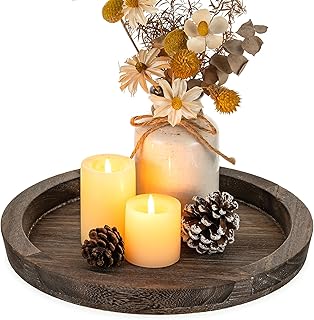
Hanobe Wooden Tray for Coffee Table: Candle Holder Plate
If you want something that just works, Hanobe Wooden Tray for Coffee Table: Candle Holder Plate Round Decorat is a safe bet (48 reviews, 4.5 stars).
Frequently Asked Questions
What is the best way to start decorating with antique farmhouse pieces?
Start small with functional items like vintage ironstone pitchers, copper pots, or a patinated wooden stool. Mix these authentic pieces with your existing modern furniture to avoid a cluttered, museum-like appearance.
How can I tell if antique farmhouse decor is authentic?
Look for natural, uneven wear patterns. Authentic pieces will have smooth spots where hands frequently touched them and natural water marks or dents. Avoid items with perfectly uniform, machine-made scratches or faux paint finishes.
What paint colors work best with antique farmhouse decor?
Stick to warm, earthy neutrals. Soft, creamy off-whites like Sherwin-Williams Alabaster, muted greens, and dusty gray-blues provide a grounded backdrop that makes rich, aged wood tones stand out beautifully.
How do I mix modern furniture with antique decor?
Focus on contrast. Pair sleek, clean-lined modern sofas with heavily textured, scarred antique wooden tables. The friction between the smooth modern fabrics and the rough vintage wood creates a perfectly balanced, cozy room.
