What’s Inside
- How a Cozy Lighting Living Room Starts with Layering
- Embrace 2700K Bulbs for Your Cozy Lighting Living Room
- Install Dimmers on Every Single Switch
- Strategically Place Table Lamps at Varying Heights
- Utilize Floor Lamps for Targeted Task Lighting
- Integrate Wall Sconces Without Hardwiring
- Calculate Lumens for Balanced Brightness
- Stop Relying Solely on Overhead Lighting
- Invest in Sculptural Statement Lamps
- Automate Coziness with Smart Bulbs
- Hide LED Strip Lights Behind Furniture
- Opt for Flameless Candles or Oil Lamps
- Incorporate Nature-Inspired Materials and Finishes
- Avoid Mismatched Color Temperatures
- Amplify Light with Strategic Mirror Placement
- Highlight Art with Battery Picture Lights
- Drop a Plug-In Pendant in a Dark Corner
- Swap Bare Bulbs for Amber Edison Styles
- Add Bias Lighting Behind Your Television
- Uplight Your Large Houseplants
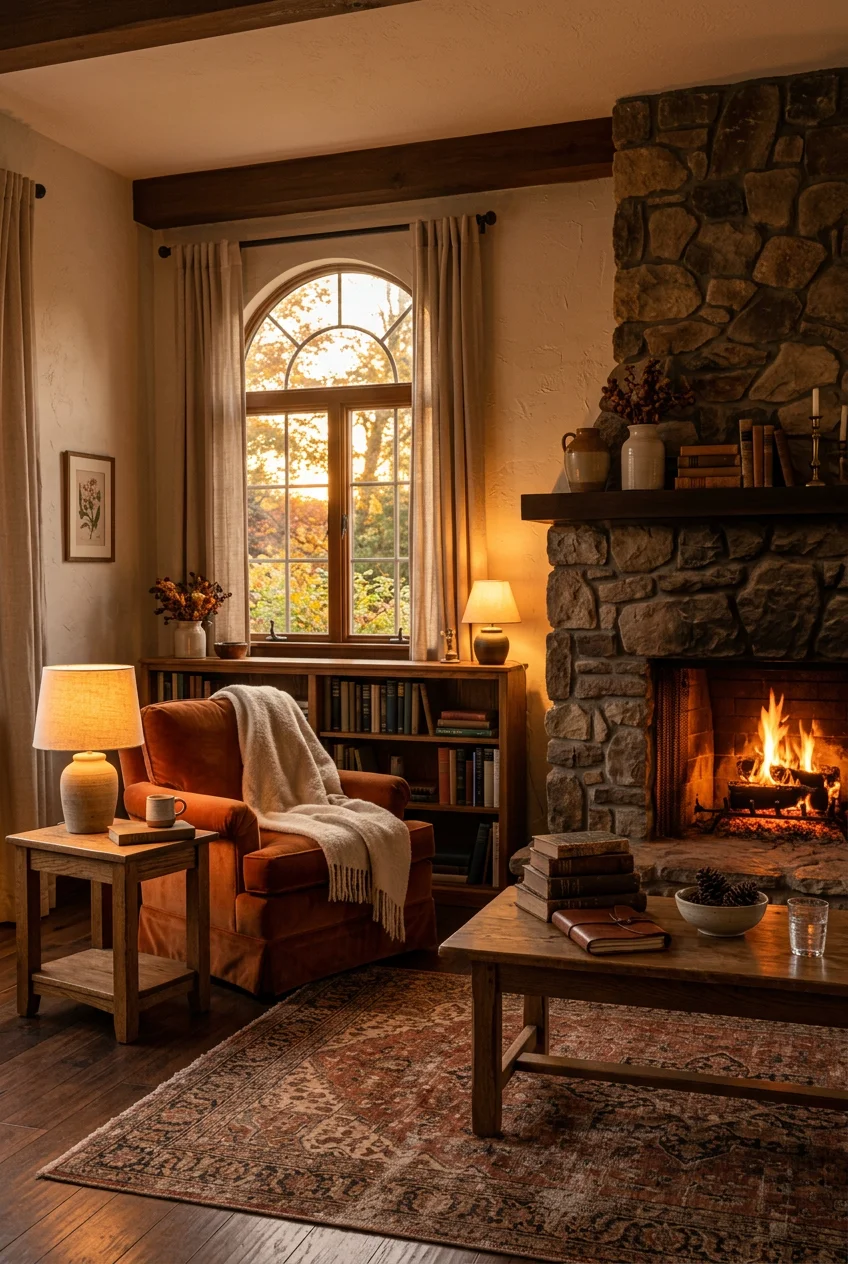
Last Tuesday at Whole Foods, I caught my reflection in the floral section window and realized my cozy living room lighting strategy was a total failure. My house was literally making me look tired. I spent three years trying to fix my cold, sterile space before I realized one glaring overhead fixture made my living area look like a DMV waiting room. Creating cozy lighting isn’t about buying expensive furniture. It’s about how you illuminate what you already own. I learned that the hard way after wasting money on heavy velvet curtains when I actually needed a cheap dimmer switch. The harsh glare gave me daily headaches. Let’s fix your lighting so you don’t make the same expensive mistakes. I’ll walk you through what works, step by step, using specific bulb temperatures and fixture heights.
How a Cozy Lighting Living Room Starts with Layering

Designers know that relying on a single overhead light creates a flat, boring space. You need a three-tiered approach: ambient, task, and accent lighting. Ambient provides the base. Task supports reading. Accent highlights features. I finally got this when I bought a Threshold Crosby Task Lamp for $35.00 at Target. I put it next to my sofa and the room suddenly had depth. Before this, my living room felt like a sterile box. The trick is balancing these layers so your eyes have different zones to focus on. When you walk into a room, don’t just flip one switch. Turn on a network of small, intentional light sources. It’s a methodical process, but the result is a room that feels designed rather than just lit.
Embrace 2700K Bulbs for Your Cozy Lighting Living Room

Opt for LED bulbs between 2700K and 3000K. This range mimics the warm glow of sunset and is great for relaxation. Studies suggest warmer lights around 2700K can lower stress levels by up to 40 percent compared to cooler bulbs. I tried this wrong for months. I bought 5000K daylight bulbs in bulk at Costco. My living room looked like a surgical theater. I couldn’t relax. I swapped them for a 4-pack of Feit Electric 2700K LED bulbs for $14.99. The yellow-orange tint softens furniture edges and makes skin tones look natural. I’d rather sit in the dark than use bright white bulbs in my relaxing space.
Install Dimmers on Every Single Switch

Equip every fixture with a dimmer switch for versatile control. Dimmers let you go from a bright setting for daytime tasks to a soft glow for evenings. This helps you relax and sleep better. I recommend the Legrand Radiant Rocker Switch. It costs $24.98 and has a smooth slider next to the main switch. I hired an electrician to install these last year. It cost $150 per switch for labor, but the control is worth it. You can lower the lights to 20 percent while watching a movie. If you aren’t using dimmers, you’re missing the easiest way to control your room’s mood.

Govee RGBIC Floor Lamp Basic
Honestly, Govee RGBIC Floor Lamp Basic surprised me — sturdier than it looks in the photos, and over 107 buyers gave it 4.5 stars.
Strategically Place Table Lamps at Varying Heights

Use table lamps on side tables, keeping the light at eye level when you’re seated. A lamp like the Vaughn Modern Art Table Lamp costs $219.95 from BO-HA and serves as a sculptural element. Place them on tables 24 to 30 inches high next to your seating. If the lamp is too tall, the bulb glares directly into your eyes. I made this mistake with a 36-inch tall lamp. The bare bulb blinded me every time I sat on the couch. Measure your side tables before buying. You want the bottom of the lampshade to align with your cheekbones when sitting.
Utilize Floor Lamps for Targeted Task Lighting

Incorporate floor lamps with adjustable heads for reading nooks. Floor lamps add vertical layers, preventing a room from feeling top-heavy. I use the BenQ e-Reading Floor Lamp. It costs $249.00 and allows adjustments from 2200K to 6500K. I keep mine locked at 2700K. The heavy base prevents my dog from knocking it over. The arm swings over my chair, casting a focused pool of light on my book. This creates a small, intimate zone. You won’t disturb anyone watching TV. The weight of a good floor lamp matters. Cheap ones wobble on carpet. You might also like: 20 Cozy Aesthetic Cozy Home Decor That Make a Real Difference
Integrate Wall Sconces Without Hardwiring

Install wall sconces to add soft, indirect lighting. Sconces are trending in 2026, offering style without occupying floor space. I bought a set of West Elm Modern Sconces for $129.00 each. I used a wall anchor to mount them and dropped rechargeable LED puck lights inside. The matte brass finish adds warmth even when the lights are off. I placed them 60 inches from the floor, flanking my fireplace. They cast a nice shadow against the white paint. If you rent, plug-in sconces with cord covers are a practical move that won’t ruin your security deposit.

UTTCMK Bookshelf Decor Thinker Statue
A dependable everyday pick — UTTCMK Bookshelf Decor Thinker Statue – Abstract Art Reading Thinker S pulls in 809 ratings at 4.5 stars. Not flashy, just solid.
Calculate Lumens for Balanced Brightness

Aim for 10 to 20 lumens per square foot for general ambient light. A 12 by 12 foot living room needs about 1,440 to 2,880 lumens. For a standard 150 to 300 square foot room, 1,500 to 3,000 total lumens is the sweet spot. You must distribute this across sources. I sat down with a calculator last winter to figure this out. My living room is 200 square feet. I needed 3,000 lumens. I only had one 800-lumen bulb in a table lamp. The room felt gloomy. I added two 600-lumen floor lamps and a 1,000-lumen pendant. Don’t guess. Read the bulb box and add up the numbers. You might also like: 16 DIY Bedroom Decor for Every Budget
Stop Relying Solely on Overhead Lighting

Many people rely on one overhead fixture, which creates harsh shadows. As interior designer Chloe Wang advises, this creates an uninviting atmosphere. The fix is layering. Combine ceiling lights with table lamps, floor lamps, and sconces. I never turn mine on unless I’m vacuuming. The downward angle of a ceiling light casts shadows under your eyes and flattens furniture texture. If you have recessed can lights, put them on a dimmer and keep them below 30 percent. Your primary light should come from the sides of the room, not the top. You might also like: 20 Beautiful Home Decor Ideas for Any Style
Invest in Sculptural Statement Lamps

Select oversized, sculptural lamps that double as art pieces. This 2026 trend moves away from minimalist shapes toward bold, artistic statements. Look for unique, vase-like designs or lamps with organic forms from brands like Remains Lighting Co. or Dumais Made. I recently bought a heavy ceramic table lamp from Dumais Made for $450.00. The textured clay base looks like pottery. It sits on my media console and adds visual weight. When light hits the uneven surface, it creates tiny shadows. Choose lamps made of real stone, ceramic, or forged iron. They feel substantial.

Farmhouse White Fake Decorative Books for Home Office Decor
Farmhouse White Fake Decorative Books for Home Office Decor – Religion punches above its price — 10 buyers rated it 4.5 stars. I would buy it again.
Automate Coziness with Smart Bulbs

Invest in smart systems like Philips Hue A19 Smart Bulbs. They cost around $49.97 each and offer app control and color adjustments. Smart lighting in 2026 is intuitive, adjusting based on the time of day. I programmed my lights to turn on at 20 percent brightness at sunset. By 9 PM, they shift to a deep amber. The setup took 45 minutes of troubleshooting, but the daily convenience is undeniable. You can group lamps together on your phone. When I watch a movie, I tap one button and the room dims to the perfect level.
Hide LED Strip Lights Behind Furniture

Integrate LED strips in coves or behind furniture for a gentle glow without visible fixtures. This adds depth and makes spaces feel sophisticated. I bought a 16-foot Monster LED Strip for $14.88 at Walmart. I wiped down the back of my TV console with rubbing alcohol and stuck the strip along the rear edge. The light bounces off the wall, creating a soft halo. It reduces eye strain when watching TV. The adhesive usually fails after a few months, so I used small plastic clips to secure it permanently. Hidden lighting makes furniture look like it’s floating.
Opt for Flameless Candles or Oil Lamps

For the glow of candles without the fire hazard, use high-quality LED flameless candles. Brands like Luminara offer realistic effects. I buy the Luminara 3 by 5 inch Pillar candles for $34.99 each. The plastic flame actually moves on a tiny wire, creating a shadow that dances just like real fire. I place them inside glass lanterns near my fireplace. Last week at Trader Joe’s, I bought eucalyptus branches to drape around the lanterns. If you prefer real fire, consider oil lamps. They provide a steady flame and can be refilled with clean-burning liquid paraffin.

Homedics Tabletop Water Fountain
Homedics Tabletop Water Fountain has been one of the most consistently praised picks in this category. 44 reviewers averaged 4.5/5.
Incorporate Nature-Inspired Materials and Finishes

Choose fixtures made from natural materials like wicker or wood, or finishes like brushed brass. These are trending in 2026, bringing texture and a grounded feel to your living room. I replaced a sleek metal lamp with a Jute Rope Table Lamp that cost $89.00. The rough, fibrous texture absorbs light rather than reflecting it. This softens the corner. When you touch the base, it feels organic. If you have a leather sofa and a glass coffee table, you need textured lighting to break up the hard surfaces. Linen shades are also great. They diffuse light through the weave, creating a warm glow.
Avoid Mismatched Color Temperatures

Mixing bulbs with different temperatures in one room creates a disjointed look. Maintain uniformity across all sources to ensure a cohesive ambiance. I once had a 2700K warm bulb in my floor lamp and a 4000K cool bulb in my ceiling fixture. The room looked split down the middle. One side felt like a cabin, the other like a dental clinic. Check every bulb. If you aren’t sure, turn them all on at night and look at the light hitting a white piece of paper. Replace the outliers immediately. Consistency is mandatory.
Amplify Light with Strategic Mirror Placement

Position large mirrors opposite windows or near light sources to reflect and amplify light. This brightens the room and creates an illusion of space. I have a heavy brass mirror resting on my mantle. I placed a small table lamp next to it. The mirror doubles the impact of that single bulb. I was buying glass cleaner at Kroger when I realized how dirty my mirror had gotten. Dust on a mirror scatters light and makes it look dull. The reflection of a warm lamp in a clean mirror adds a layer of sparkle you can’t get from a fixture alone.
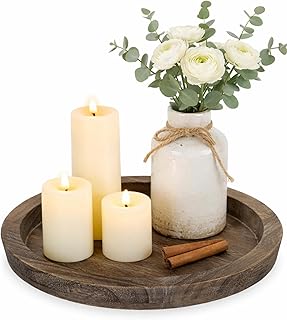
Hanobe Candle Plate Holder Tray: Round Wood Decorative
If you want something that just works, Hanobe Candle Plate Holder Tray: Round Wood Decorative Candle Plate – is a safe bet (27 reviews, 4.5 stars).
Highlight Art with Battery Picture Lights

Adding a light above art makes a room feel custom. I use the Concept Lighting Cordless Picture Light. It costs $59.95 and runs on D batteries. You just screw the bracket into the wall behind your frame. The warm LED casts a wash of light over the canvas. It highlights paint texture and creates a focal point. Adding one above a cheap thrift store painting completely changed how my living room looks at night. The battery life is terrible if you leave it on all evening, so I only use it when guests are over. It’s a small detail with massive impact.
Drop a Plug-In Pendant in a Dark Corner

If you have a dark corner where a floor lamp won’t fit, hang a plug-in pendant. I bought the IKEA Nymane Pendant for $39.99. I screwed two ceiling hooks into the drywall and draped the cord across the ceiling and down the corner to an outlet. I realized I could use a smart plug to control it. Now I just use my phone. The pendant hangs 36 inches above a small accent chair. It creates a dedicated reading zone out of dead space. The cord is visible, but if you pull it tight with cable clips, it looks intentional.
Swap Bare Bulbs for Amber Edison Styles

If you have fixtures with exposed bulbs, standard white LEDs look harsh. Swap them for amber-tinted Edison bulbs. I use the GE Vintage Amber LED bulbs. They cost $9.98 each. The glass is tinted brown, which filters the light and exposes the glowing filaments. They look beautiful even when off. I put these in an industrial chandelier. Before the swap, looking at the chandelier hurt my eyes. The amber glass drops the temperature to around 2000K. It looks like candlelight. They are strictly for mood. The warm glow transforms metal fixtures without any electrical work.
Add Bias Lighting Behind Your Television

Staring at a bright TV in a dark room causes eye strain. Bias lighting solves this. I installed the Govee TV Backlight for $29.99. It’s an LED strip that sticks to the back of the television. A small camera mounts to the top, reads the screen colors, and projects matching colors onto the wall. When I watch a nature documentary, the wall glows green and blue. It softens the harsh contrast between the screen and the room. The adhesive backing ripped off some plastic on my old TV when I tried to move it, so apply it carefully.
Uplight Your Large Houseplants

Most people light rooms from the top down. Lighting from the floor up adds dramatic shadows. I use a LeonLite LED Landscape Spotlight indoors. It costs $26.99 and plugs into a wall outlet. I hid the fixture behind a massive Ficus tree in my living room corner. I angled the beam straight up through the leaves. It casts incredible leaf shadows on the ceiling. The green leaves filter the light, adding a natural tint to the room. The fixture gets slightly warm, so keep it away from dry leaves. This fills empty corners with interest.
Fixing your lighting doesn’t require a massive budget. It just takes planning and a willingness to stop using that awful overhead light. I’ve spent years tweaking the bulbs, angles, and fixtures in my house, and I can say that getting the lighting right changes how you feel in your home. Start with one corner. Buy a cheap dimmer, grab a 2700K bulb, and see the difference. You won’t regret it. If you found these cozy lighting living room tips helpful, save this post to your home decor Pinterest board so you can reference the exact bulb temperatures and lumen math later!
Frequently Asked Questions
What is the best color temperature for a living room?
For a cozy atmosphere, stick to LED bulbs between 2700K and 3000K. This warm white range mimics sunset, reduces stress, and avoids the harsh, clinical feel of 4000K or 5000K daylight bulbs.
How many lumens do I need for my living room?
Aim for 10 to 20 lumens per square foot. A standard 200-square-foot living room needs about 2,000 to 4,000 total lumens, which should be distributed across multiple lamps and sconces rather than a single overhead fixture.
How tall should my living room table lamps be?
Place table lamps on side tables so the bottom of the lampshade aligns with your eye level when seated. This usually means choosing a lamp that brings the total height to roughly 58 to 64 inches from the floor to avoid glare.
Can I mix different color temperature bulbs?
No, you should never mix color temperatures in the same room. Combining a 2700K warm bulb with a 4000K cool bulb creates a disjointed, uncomfortable environment that strains the eyes. Keep all bulbs uniform.
