What’s Inside
- Master the 60-30-10 Color Rule for a Sophisticated Male Apartment Decor Palette
- Invest in a Quality, Durable Sofa (Skip the Cheap Sectionals)
- Layer Your Lighting Beyond the Dreaded “Boob Light”
- Curate Intentional Wall Art (No Bare Walls or Random Posters)
- Embrace the “Warm Masculinity” Trend of 2026
- Mix Textures and Materials for Visual Depth
- Maximize Space with Smart, Multifunctional Storage
- Select a Sturdy Bed Frame for Optimal Sleep and Style
- Incorporate Smart Home Technology for Convenience
- Don’t Neglect the Kitchen and Bathroom Details
- Add Greenery with Low-Maintenance Plants (Even if You Kill Everything)
- Create a Dedicated “Me” Corner for Recharging
- Avoid Matching Furniture Sets at All Costs
- Incorporate Scent as a Hidden Design Element
- Anchor Authentic Male Apartment Decor with Industrial or Mid-Century Styles
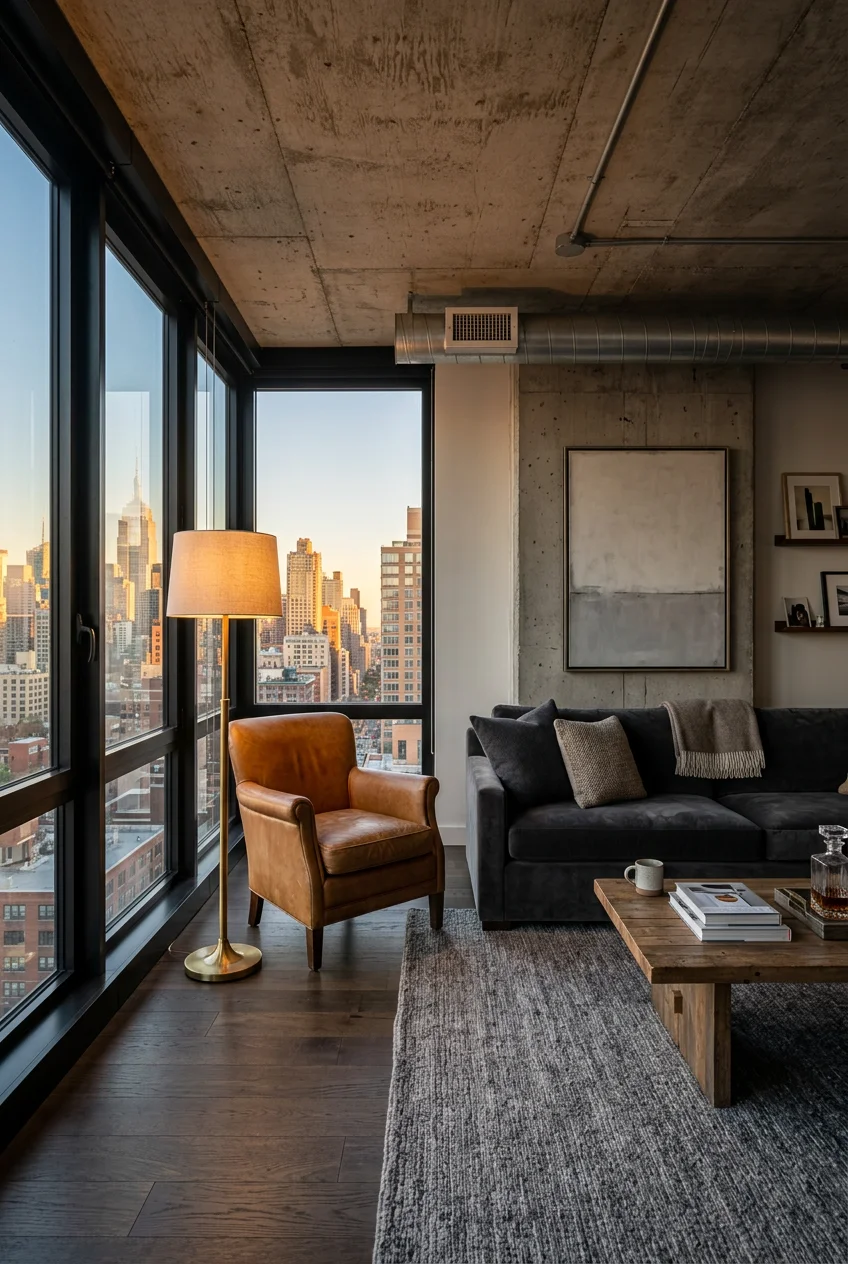
I spent three weeks last October trying to fix a client’s living room that looked exactly like a frat house waiting room. He wanted sophisticated male apartment decor, but his execution involved a peeling faux-leather sofa and a single neon beer sign. Nailing this aesthetic isn’t about buying everything in black and calling it a day. It’s a precise formula of textures, lighting, and actual functional pieces. I’ve learned the hard way what works and what just looks cheap. I tried forcing a stark minimalist look in my own first apartment and ended up with a space that felt like a surgical ward. It took me months of swapping out cold metal for warm wood to make it livable. Let’s break down the exact pieces, measurements, and rules you need to build a space that actually functions and looks intentional.
1. Master the 60-30-10 Color Rule for a Sophisticated Male Apartment Decor Palette

Most guys start decorating by picking five different colors they like and throwing them at a room. This is a massive mistake. You need the 60-30-10 rule to create visual harmony. Start with a neutral base for 60 percent of the room. I highly recommend charcoal gray, deep navy, or a rich matte brown for your walls and large furniture pieces. Add a secondary color for 30 percent of the space in a complementary shade. Finally, introduce a bold accent color for the last 10 percent. Forest green, burgundy, or steel blue work perfectly for throw pillows, a piece of art, or a single accent wall.
I tried doing a 50/50 split of navy blue and mustard yellow in my brother’s place last year. It looked exactly like a sports bar. We had to spend an entire weekend repainting the walls back to a neutral gray just to calm the room down. If you want a specific recommendation, Benjamin Moore’s Hale Navy costs about $75 per gallon and provides an incredible 60 percent base that doesn’t feel like a cave. Keep your ceiling white to reflect light, and use a flat or eggshell finish on the walls to hide drywall imperfections.
2. Invest in a Quality, Durable Sofa (Skip the Cheap Sectionals)

Your sofa dictates the entire mood of your living room. Avoid cheap, massive sectionals that lack longevity and swallow your floor plan. You need a well-made sofa with clean lines in genuine leather or a dark, tightly woven durable fabric. Brands like Arhaus offer the Kipton Two Piece Sectional, which provides excellent depth. Sundays makes the Movie Night 5-Piece Modular Sectional that actually holds its shape. If you’re on a stricter budget, the Burrow Nomad Sofa runs around $1,500 to $2,500. It offers firm support and a sharp mid-century modern aesthetic that doesn’t sag after a month.
I bought a cheap $400 couch from a discount site once. The foam cushions flattened into hard pancakes within three months, and the synthetic fabric started pilling instantly. It was a complete waste of money. When you’re shopping, bring a tape measure. Ensure the seat depth is strictly between 28 to 36 inches for optimal comfort. Anything shallower feels like a waiting room chair, and anything deeper makes it impossible to sit upright. To protect the fabric, I usually grab a heavy woven throw blanket from Target for about $35 and drape it over the back.
3. Layer Your Lighting Beyond the Dreaded “Boob Light”

Relying solely on overhead flush-mounted fixtures creates a dull, flat, one-dimensional space. We call these “boob lights” in the industry, and they cast horrible, harsh shadows that make your apartment look like a sterile office. You need layered lighting. Aim for 60 percent ambient light for a general glow, 30 percent task lighting for reading or working, and 10 percent accent lighting for decoration. I highly recommend using smart bulbs like the Philips Hue series. Individual bulbs cost around $15 to $50, and you can control the exact color temperature from your phone.
I usually pick up sleek, minimal floor lamps from IKEA or basic matte black table lamp bases from Walmart for around $25, then upgrade them with the Hue bulbs. Place a floor lamp in the corner, a task lamp on your desk, and stick an LED strip behind your TV or inside your bookshelves to create actual depth. The most critical detail is the color temperature. Set your bulbs strictly between 2700K and 3000K. This creates a warm, golden tone that mimics natural candlelight. Anything over 4000K looks blue and clinical.

KHOYIME Large Macrame Wall Hanging Boho Woven Tapestry
Honestly, KHOYIME Large Macrame Wall Hanging Boho Woven Tapestry surprised me — sturdier than it looks in the photos, and over 994 buyers gave it 4.5 stars.
4. Curate Intentional Wall Art (No Bare Walls or Random Posters)

Bare walls scream that you’re a temporary resident who plans to move out next month. On the flip side, walls cluttered with unframed movie posters look juvenile and messy. You need intentional, large-scale pieces. One significant artwork is vastly more impactful than six tiny, disjointed frames. You can find a 32-inch by 48-inch Giclee canvas print by Wall 26 on Amazon for under $100. It fills the space and looks incredibly high-end. Coordinate the art colors with your room’s 10 percent accent palette.
I used to hang tiny 8×10 prints scattered across a massive living room wall. It made the room look chaotic and completely out of proportion. Now, I stick to a single large piece hung exactly 57 inches on center from the floor. This is gallery height and ensures you aren’t craning your neck to look at it. Consider abstract canvas paintings or framed prints from artists like Jean-Michel Basquiat or Edward Hopper. Mix mediums by adding a piece of brushed metal art or a floating wooden shelf nearby to break up the flat canvas textures.
5. Embrace the “Warm Masculinity” Trend of 2026

The interior design trends for 2026 are moving rapidly away from stark, sterile minimalism. The new standard is “warm masculinity,” which favors cozy, lived-in spaces that actually feel human. You achieve this by incorporating organic materials like high-quality pine wood, natural cork, and heavy bouclé fabrics. Combine rich walnut furniture with matte black metal accents for sharp contrast. Wood tones instantly soften harsh interiors and make the space feel grounded rather than floaty.
This trend also leans heavily into soft minimalism, which means curved edges are replacing sharp, aggressive corners on coffee tables and chairs. I stubbornly held onto a glass and chrome rectangular coffee table for years. I was constantly banging my shins on the sharp corners, and it made my living room feel cold. I finally swapped it for a round, solid walnut table, and the entire energy of the room shifted. It felt warmer and much more inviting. Look for pieces that have visual weight but soft physical boundaries. You might also like: 20 Charming Cozy Inspo Home Decor You Haven’t Thought Of
6. Mix Textures and Materials for Visual Depth

A massive mistake people make is buying everything in the exact same finish. If your sofa is smooth leather, your rug is flat cotton, and your tables are smooth glass, your room will look completely flat. You need tactile interest. Combine hard, cold materials like metal and glass with soft, warm elements like wool throws, linen pillow covers, or velvet curtains. Brands like Rustic Deco sell incredible heavy steel frames that look fantastic when paired with softer upholstery. You might also like: 18 Easter Home Decor Ideas Worth Trying
Vary your surface textures constantly. Put a chunky, heavy-knit wool throw blanket on a smooth leather sofa. Place a rough, matte ceramic vase on a polished wood table. I learned this when I bought a matching set of glossy vinyl chairs for a dining room. The room felt like a cheap diner until I added rough linen seat cushions and a distressed jute rug underneath. The friction between the smooth and rough materials is what gives a room its character and makes it look professionally styled. You might also like: 19 Home Decor Ideas Living Room And Kitchen for Every Budget
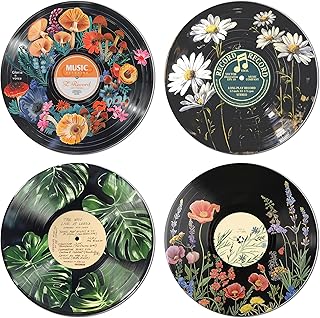
HK Studio Hippie Decor, Posters for Room Aesthetic
Honestly, HK Studio Hippie Decor surprised me — sturdier than it looks in the photos, and over 348 buyers gave it 4.5 stars.
7. Maximize Space with Smart, Multifunctional Storage

In most apartments, every single square inch counts. You can’t afford to have dead space. Utilize furniture that hides your clutter. I highly recommend ottoman coffee tables with removable lids or bed frames with built-in drawers. The Zinus Shawn SmartBase Metal Bed Frame is a great example. It provides massive under-bed clearance for storage bins without looking bulky. Install heavy-duty floating shelves to display a few select books, and use attractive containers to hide your actual mess.
I used to leave my winter coats and extra blankets piled in the corner of my bedroom. It drove me crazy. Last month, I went to Costco and bought a four-pack of rigid, dark gray fabric storage bins for $14.99. I slid them under my bed, and my bedroom instantly looked twice as large. Vertical wall-mounted storage systems are also highly effective. Get your gear off the floor. Use thick leather boxes or matte metal bins on your shelves to store loose cables, remotes, and paperwork.
8. Select a Sturdy Bed Frame for Optimal Sleep and Style

Do not put your mattress directly on the floor. It restricts airflow, traps body heat, and almost guarantees mold growth underneath the mattress. You need a proper frame. Brands like Zinus offer the Shawn SmartBase for around $100 to $200, which is practically indestructible. Classic Brands makes the Hercules Heavy-Duty Metal Frame, which is known for extreme durability. If you have a larger budget, the Saatva Santorini Platform Bed or Thuma’s The Classic Bed offer incredible design and solid wood joinery that won’t squeak.
I kept a mattress on the floor in my early twenties because I thought it looked relaxed and bohemian. Six months later, I lifted it up to vacuum and found a massive patch of green mildew eating into my $600 mattress. I had to throw the entire thing in the dumpster. Look for frames that provide strong support with wooden slats spaced no more than three inches apart. Ensure you have between 7 and 14 inches of under-bed clearance so you can easily run a vacuum underneath.
9. Incorporate Smart Home Technology for Convenience

The smart home market in 2026 is fully integrated and actually affordable. You don’t need to wire your walls to get a high-end experience. Start with a central control hub like an Amazon Echo Dot for about $50. Place it on your kitchen counter or nightstand. Then, buy a pack of smart plugs. The Emporia Energy Monitoring Smart Plug runs about $15 to $30 each. Plug your floor lamps and coffee maker into these, and you can schedule everything from your phone.
I used to crawl behind my heavy media console every single night just to unplug a decorative lamp. It was infuriating. Adding a $15 smart plug fixed the issue instantly. For security and peace of mind, pick up a Wyze Cam v4 for around $36. It offers sharp 2.5K resolution, color night vision, and free cloud clips. You can set it up on a bookshelf in three minutes without drilling any holes in your apartment walls. It’s a cheap way to make your space feel highly functional.

3D Wooden Floral Bathroom Wall Decor (Set of 4) Lightweight
A dependable everyday pick — 3D Wooden Floral Bathroom Wall Decor (Set of 4) Lightweight pulls in 634 ratings at 4.5 stars. Not flashy, just solid.
10. Don’t Neglect the Kitchen and Bathroom Details

These two rooms are almost always overlooked, but they dictate whether your apartment feels like a home or a cheap rental. In the kitchen, if you have the option, opt for matte or glossy inky black cabinetry paired with heavy brass or matte black hardware. If you can’t paint, swap out the cabinet pulls. It takes ten minutes and a screwdriver. For the bathroom, ditch the plastic soap dispensers. Buy a heavy glass or concrete pump bottle.
I made a terrible mistake last year when I bought cheap, thin bath towels at Kroger because I was in a rush. They shed gray lint all over my wet skin for weeks and looked completely ragged after two washes. Spend the extra money on thick, 100 percent Turkish cotton towels. Add a sleek bronze sculpture or a small geometric-patterned tray to your bathroom counter to hold your cologne and razor. Make sure you have a heavy, non-slip bath mat that actually matches your towels.
11. Add Greenery with Low-Maintenance Plants (Even if You Kill Everything)

Plants introduce organic warmth and break up the rigid, straight lines of apartment furniture. Even if you don’t have a green thumb, you need at least one real plant. A tall, structured snake plant, also known as Mother-in-Law’s Tongue, is your best option. You can buy a healthy one at IKEA for about $15. Place it in a simple, heavy pot like the IKEA Klarbar Plant Pot, which costs around $28. Snake plants thrive on neglect and only need water every few weeks.
I bought a massive, expensive fiddle leaf fig at Sprouts last spring because it looked great in the store. I overwatered it, panicked, moved it to a dark corner, and it dropped every single leaf and died within two weeks. Stick to snake plants or ZZ plants. The most critical rule is ensuring your pot has proper drainage holes at the bottom. If the water can’t escape, the roots will rot, and the plant will die regardless of how much sunlight it gets.
12. Create a Dedicated “Me” Corner for Recharging

You need a specific zone in your apartment that is dedicated entirely to your downtime. This isn’t your desk where you work, and it isn’t your bed where you sleep. Carve out a small corner for a reading nook, a vinyl record player setup, or a comfortable lounge spot with an ergonomic chair. This personal zone doesn’t need to be massive. A three-foot by three-foot corner is plenty if you style it correctly.
I set up a small corner in my living room with a heavy leather reading chair, a small brass side table, and a dedicated task lamp. I keep a jar of dark chocolate pretzels from Trader Joe’s on the table. It’s the only place in my apartment where I don’t allow my laptop. It feels like a specific reward at the end of the day. Anchor this space with a small, textured rug to physically separate it from the rest of the room. It proves that you use your apartment for actual living, not just existing.

Jexine 4 Pcs Hanging Planters with Artificial Eucalyptus
If you want something that just works, Jexine 4 Pcs Hanging Planters with Artificial Eucalyptus Metal Hanging is a safe bet (12 reviews, 4.5 stars).
13. Avoid Matching Furniture Sets at All Costs

Buying a complete, matching five-piece bedroom or living room set is the fastest way to make your apartment look like a generic, uninspired showroom. It lacks personality and looks incredibly rigid. You need to mix materials, eras, and styles to create an authentic aesthetic. If you have a heavy oak bed frame, do not buy the matching oak nightstands. Instead, use matte black metal side tables or a painted wood option.
I made this mistake in my first apartment. I bought a matching desk, bookshelf, and filing cabinet set in a fake cherry wood finish. The room looked like a regional bank manager’s office. It was suffocating. To fix it, I sold the bookshelf and replaced it with an industrial steel and glass unit. The tension between the different materials allows your personality to shine through. It shows that you curated the space over time rather than ordering it all from a single catalog page.
14. Incorporate Scent as a Hidden Design Element

Beyond visual appeal, how your apartment smells significantly impacts its ambiance. You can have the best furniture in the world, but if your place smells like stale sneakers and old garlic, the illusion shatters instantly. You need to use scent intentionally. High-quality candles from brands like Voluspa or Creed range from $30 to $80 and offer complex, masculine notes like leather, tobacco, and amber. If you hate lighting candles, use a reed diffuser.
I grabbed a cheap, brightly colored vanilla candle at Whole Foods last week because it was on sale. I lit it in my living room, and within ten minutes, the entire apartment smelled like artificial frosting and cheap plastic. I had to open all the windows. Stick to woody, earthy scents. A Palo Santo or Sandalwood Tobacco reed diffuser costs around $20 to $50 and provides a constant, subtle background scent that improves the living experience without overwhelming your guests.
15. Anchor Authentic Male Apartment Decor with Industrial or Mid-Century Styles

If you’re completely lost on where to start, you can’t go wrong by anchoring your space in either Industrial Chic or Mid-Century Modern styles. These two aesthetics are consistently popular for masculine spaces because they rely on heavy, durable materials and clean geometry. Industrial chic features exposed brick, reclaimed rough-hewn wood, and thick steel accents. Look at brands like Rustic Deco or West Elm for these heavy, grounded pieces.
Mid-Century Modern, on the other hand, emphasizes organic shapes, rich walnut or teak woods, and timeless, tapered furniture lines. Brands like Kardiel or Blu Dot excel at this. Both styles offer incredible durability and a sophisticated look that avoids fleeting, cheap internet trends. I personally lean toward Mid-Century because the warm woods make a space feel highly inviting. Whichever you choose, commit to the core materials of that style for your large 60 percent base pieces, and use your smaller accents to show off your specific personality.
Building a space that reflects your style takes time, but sticking to these specific rules guarantees a better result than blindly buying furniture. I highly recommend starting with your lighting and your sofa, as those dictate how the room actually feels on a Tuesday night. If you’re planning an apartment upgrade soon, make sure you save or pin this guide so you have the exact measurements and brand names ready when you start shopping.

FAEKSUR Framed Abstract Neutral Wall Art for Living Room
FAEKSUR Framed Abstract Neutral Wall Art for Living Room has been one of the most consistently praised picks in this category. 1 reviewers averaged 4.5/5.
Frequently Asked Questions
What is the best color palette for male apartment decor?
Use the 60-30-10 rule. Start with a 60 percent neutral base like charcoal or navy, add 30 percent complementary tones like warm wood, and finish with 10 percent bold accents like forest green or burgundy.
How can I make my apartment look more expensive?
Layer your lighting with warm 2700K smart bulbs, hang one large piece of framed art instead of multiple small posters, and mix textures like smooth leather with heavy wool and matte steel.
What are the biggest mistakes in male apartment decor?
The biggest mistakes are relying solely on harsh overhead lighting, buying complete matching furniture sets, keeping mattresses directly on the floor, and ignoring the impact of a good room scent.
Which interior design styles work best for men?
Industrial Chic and Mid-Century Modern are timeless choices. Industrial utilizes raw steel and reclaimed wood, while Mid-Century focuses on warm walnut tones and clean, tapered geometric lines.
