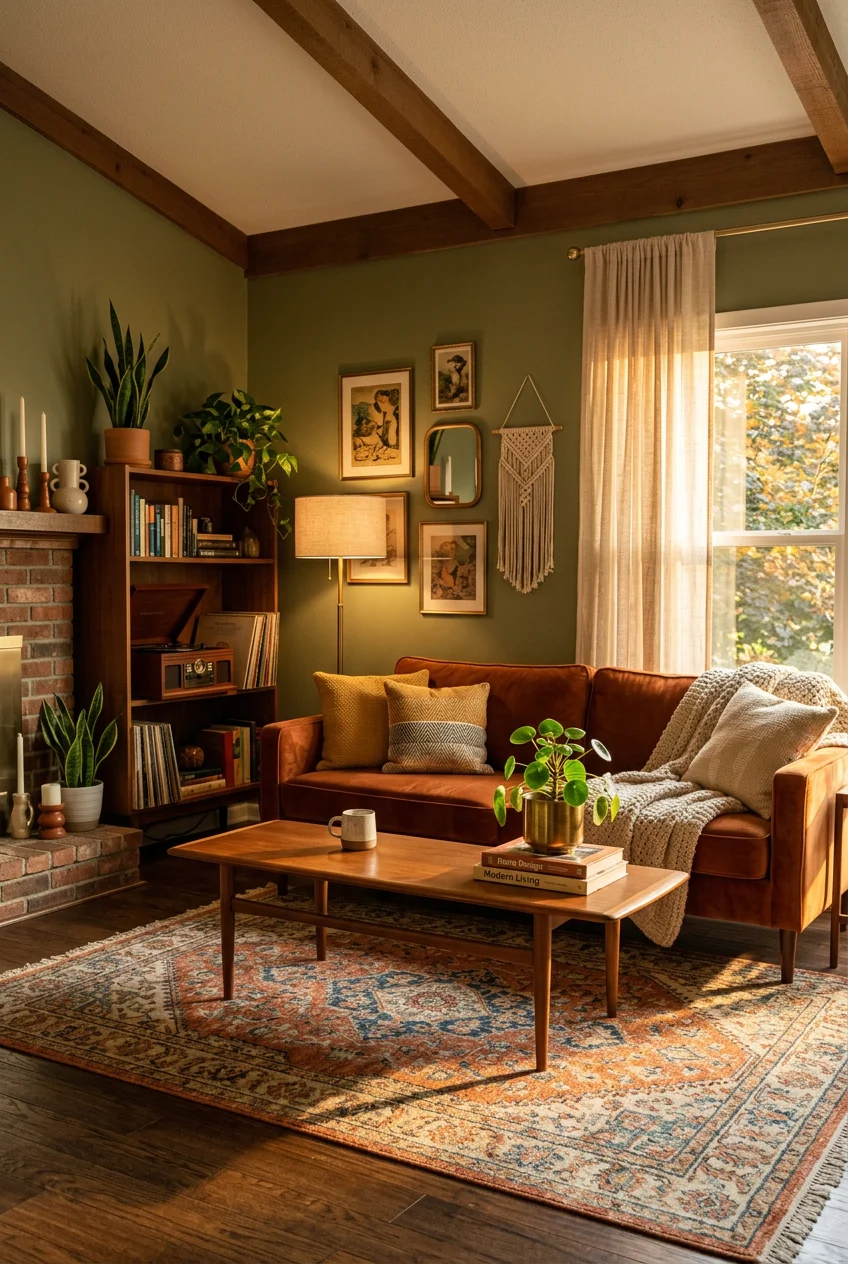
What’s Inside
- Embrace Rich Earth Tones with Strategic Pops
- Invest in Low-Slung, Curved Seating for a Cozy Retro Living Room
- Layer Heavy Textures with Vintage-Inspired Textiles
- Illuminate with Statement Vintage Lighting
- Anchor the Room with a Walnut or Teak Credenza
- Curate a Gallery Wall with Eclectic Vintage Art
- Introduce Chrome and Smoked Glass Accents
- Incorporate Large-Scale Houseplants in Ceramic Planters
- Add a Record Player Console for Authentic Audio
- Use Heavy Drapery to Soften the Architecture
- Layer a Bold Geometric Accent Rug Over Hardwoods
- Display Books and Curiosities on an Open Bookshelf
- Opt for a Low-Profile Coffee Table in a Cozy Retro Living Room
- Swap Basic Hardware for Antique Brass or Copper
- Create a Dedicated Analog Reading Nook
- Integrate Rattan or Wicker for Organic Texture
- Use Amber Glassware and Ceramics for Decor
I spent three months in 2023 sitting on a vintage vinyl sofa that smelled like old pennies and stuck to my thighs before I realized you can’t just buy old junk and call it a cozy retro living room. Building a functional, retro space takes real planning. It isn’t just a frantic cart-filling session at the local thrift store. I learned that the hard way after dragging a $400 teak coffee table from a flea market up three flights of stairs, only to realize its 14-inch height made my apartment look like a dollhouse. Let’s skip the museum-like stiffness. You want a space that feels lived-in, warm, and actually comfortable to watch movies in. I’m breaking down how to mix authentic vintage finds with modern pieces so your home feels nostalgic but works for real life.
1. Embrace Rich Earth Tones with Strategic Pops

I tried painting my walls stark white to let my vintage furniture stand out, but it just looked cold and clinical. I repainted everything last October. Focus on rich earth tones like burgundies, oxblood, chocolate, and mustard yellow. These are trending as sophisticated neutrals right now. I used Farrow & Ball’s Bancha olive green ($145 for a gallon) on my accent wall. It took exactly 1.5 gallons to cover the 12×9 foot space. To keep the room from feeling like a 1970s basement, you need strategic pops of color. I added a pale mint throw pillow from Target ($22.99) and a soft blue-green glass vase from West Elm ($34.50, 8 inches tall). Start with a neutral base like a warm tan. I used Benjamin Moore’s Manchester Tan for the remaining walls. Then layer in those deep rusts and terracotta shades through your textiles. Skip the neon oranges. They look cheap and clash with wood tones.
2. Invest in Low-Slung, Curved Seating for a Cozy Retro Living Room

You can’t build a cozy retro living room with a stiff, high-backed traditional sofa. It ruins the relaxed vibe. Look for sculptural, low-slung furniture with curved silhouettes. The Togo-style sofa from Ligne Roset is gorgeous but costs upwards of $5,000 to $10,000 new. I don’t have that kind of budget. Instead, I bought a curved mid-century modern re-interpretation from Joybird. Specifically, the Lewis Sofa in a rust velvet. It cost me $2,195 and is exactly 84 inches long. The curved back softens the hard angles of my square living room. Curved furniture forces a more intimate seating arrangement. If you want a cheaper alternative, look for wide, low-back lounge chairs. I found a great replica chair at Wayfair for $315. It has tapered walnut legs that measure exactly 6 inches tall, keeping the profile low to the ground. The low height makes the ceiling feel taller, which helps if you’re in a cramped apartment.
3. Layer Heavy Textures with Vintage-Inspired Textiles

Flat cotton pillows won’t cut it here. I bought a stack of cheap polyester covers from Amazon two years ago. They felt like rough paper and pilled within a month. You need luxurious, heavy materials like velvet, wide-wale corduroy, and thick linen to anchor the retro aesthetic. Sleeker, refined boucle is everywhere right now. I bought a 20×20 inch boucle pillow from CB2 for $49.95, and it has these subtle metallic threads woven in that catch the light from my lamp at night. Vintage textiles are ideal for reupholstery. I bought 3 yards of deadstock 1960s floral fabric off Etsy for $65 to recover a small footstool. To define the seating area, you need a plush rug. I put down a 5×7 foot cream shag rug from Rugs USA. It cost $145 on sale. The 2-inch pile feels amazing under bare feet. Just know that shag rugs trap crumbs like crazy. I use the upholstery attachment on my Dyson V8 every Sunday just to keep it clean.
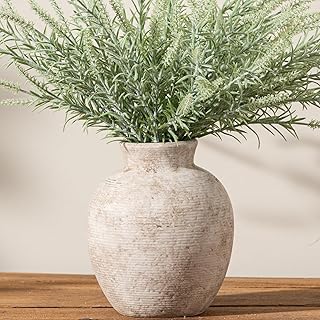
Vanselia Ceramic Flower Vase Home Decor
Honestly, Vanselia Ceramic Flower Vase Home Decor – Farmhouse Table Vases Rustic surprised me — sturdier than it looks in the photos, and over 786 buyers gave it 4.5 stars.
4. Illuminate with Statement Vintage Lighting

Overhead recessed lighting is the enemy of a moody, nostalgic space. My apartment came with bright white LED ceiling lights that made my living room feel like a dentist’s office. I never turn them on. Opt for retro lighting fixtures like globe pendants or table lamps with heavy metallic accents. Brands like Kichler and Troy Lighting make excellent reproduction industrial-style fixtures. I installed a 12-inch brass globe pendant from Hinkley over my reading nook. It cost $289 and casts a warm, diffused glow. If you want authentic vintage pieces, 1stDibs is a great source for Murano glass chandeliers or original Noguchi paper lanterns, though they often run $800 or more. I prefer finding mid-century ceramic table lamps at local antique malls. I scored a heavy, mustard-yellow ceramic lamp with a 15-inch fiberglass shade last Tuesday at a flea market for $45. Always use warm-light bulbs. I strictly use Philips 2700K LED bulbs ($12.99 for a 4-pack). They mimic the soft, yellowish glow of old incandescent bulbs perfectly.
5. Anchor the Room with a Walnut or Teak Credenza

A bulky modern TV stand ruins the retro illusion instantly. I used an IKEA Besta unit for years. It was functional but completely lacked character. I finally swapped it out for a 60-inch walnut credenza. Real teak or walnut is essential for this look. The warm wood grain adds a natural texture you can’t get from particleboard. I found a vintage Broyhill Brasilia credenza on Facebook Marketplace for $650. It measures 66 inches long and 30 inches high, which is the perfect height for my 55-inch Samsung Frame TV ($1,498). If you can’t find vintage, West Elm sells the Mid-Century Media Console for $1,099. It has the same tapered legs and beveled edges. Be careful with vintage pieces. The old wood dries out fast. I spend 15 minutes every other month rubbing Howard Feed-N-Wax Wood Polish ($9.98 for 16 oz at Home Depot) into the grain. The orange oil smells incredible and keeps the wood from cracking near the radiator.
6. Curate a Gallery Wall with Eclectic Vintage Art

Bare walls make a retro room feel unfinished. But buying a matching set of mass-produced prints from a big-box store looks cheap. I tried buying a pre-made gallery wall set from Wayfair once. It felt completely soulless. Now, I mix authentic vintage oil paintings with retro typography posters. I found a moody 16×20 inch landscape oil painting at Goodwill for $14.99. It smells slightly of old dust, but the cracked paint adds incredible texture. I paired it with a bright orange 1970s exhibition poster I bought on eBay for $35. The trick is mixing frame styles. Don’t use all black frames. I use a mix of thin brass frames from Target ($18 for an 8×10) and chunky carved wood frames I pick up at thrift stores. Keep the spacing tight. I leave exactly 1.5 inches between each frame. It makes the collection look intentional rather than scattered. I use Command Strips (the 16-pound heavy-duty ones, $11.49 at Walmart) because old plaster walls crumble if you use nails.

Arched Wall Mirror Vintage
If you want something that just works, Arched Wall Mirror Vintage – 24″X36″ Large Retro Silver Scalloped Bead is a safe bet.
7. Introduce Chrome and Smoked Glass Accents

Too much heavy wood makes a room feel dark and oppressive. You need reflective surfaces to bounce light around. In the 1970s, chrome and smoked glass were everywhere. I was hesitant to use chrome at first because I thought it would look too cold. I was wrong. I bought a vintage Milo Baughman-style chrome side table with a smoked glass top for $120 at an estate sale. It sits next to my rust velvet sofa. The shiny metal provides a sharp contrast to the soft, matte fabric. The glass top is exactly 22 inches in diameter. Smoked glass is much better than clear glass because it hides dust and water rings slightly better. I also added a small chrome magazine rack from CB2 ($79.95) near my reading chair. It holds exactly six thick design magazines. Just keep a microfiber cloth handy. I buy the Amazon Basics microfiber cloths ($13.59 for a 24-pack). A quick wipe once a week keeps the chrome from looking greasy.
8. Incorporate Large-Scale Houseplants in Ceramic Planters

Fake plants are a massive mistake. I bought a plastic fiddle leaf fig from Target three years ago. It gathered a thick layer of grey dust and looked incredibly tacky. Real plants are crucial for a 1970s aesthetic. Think Monstera deliciosa, rubber trees, and trailing pothos. I bought a 3-foot tall Monstera from my local Sprouts for $39.99 last spring. It brings life and a vibrant green pop to the dark wood and rust tones in my living room. The planter matters just as much as the plant. Skip the cheap plastic nursery pots. I repotted my Monstera into a 12-inch heavy ceramic planter with a mustard yellow glaze. I found it at a local garden center for $45. I also hung a golden pothos in a macrame plant hanger ($15.99 on Etsy) near the window. The trailing vines measure almost 4 feet long now. Be warned: large plants need serious drainage. I ruined a vintage rug because my ceramic pot didn’t have a saucer and leaked muddy water everywhere. You might also like: 20 Apartment Bedroom Decor Worth Trying
9. Add a Record Player Console for Authentic Audio

You can’t capture the true retro vibe with just a tiny Bluetooth speaker hidden on a shelf. A dedicated record player setup acts as both decor and an activity. I used a cheap suitcase-style record player for a year. It destroyed my records and sounded like music playing through a tin can. I upgraded to an Audio-Technica AT-LP120XUSB turntable. It cost $349 on Amazon. It’s heavy, sitting at 16 pounds, which stops the needle from skipping when I walk heavily across my wood floors. I placed it on top of a small 30-inch wide teak cabinet I found at a flea market for $85. For speakers, I use the Edifier R1280T powered bookshelf speakers ($119.99). They have a retro wood-grain finish that blends perfectly with my other furniture. The ritual of flipping a record forces you to slow down. I keep a stack of exactly 15 of my favorite vintage jazz vinyls leaning against a brass bookend next to the player. It looks incredibly intentional. You might also like: 15 TV Stand Decor Living Room for Every Budget

Vintage Vase Set of 3, Ceramic Vintage Flower Vases
A dependable everyday pick — Vintage Vase Set of 3 pulls in 306 ratings at 4.5 stars. Not flashy, just solid.
10. Use Heavy Drapery to Soften the Architecture


Flimsy, sheer white curtains do not belong in a cozy retro space. They look too modern and airy. I made the mistake of hanging cheap cotton panels from Ikea when I first moved in. The room felt drafty and unfinished. I swapped them out for heavy, pinch-pleat velvet drapes. I bought the Half Price Drapes signature velvet curtains in Gold from Amazon. A single 50×96 inch panel costs $59.99. I used four panels total to cover my wide living room window. The thick fabric blocks out the harsh afternoon sun and actually insulates the room during winter. Hang the curtain rod as high as possible. I installed a 1-inch diameter brass French return rod from Crate & Barrel ($119) exactly 2 inches below my ceiling line. The drapes kiss the floor, making my standard 8-foot ceilings look much taller. The heavy velvet absorbs sound, too. It completely eliminated the weird echo my living room had after I ripped out the old carpet. You might also like: 15 Cozy Living Room Ideas That Actually Work
11. Layer a Bold Geometric Accent Rug Over Hardwoods

If you don’t want the maintenance of a high-pile shag rug, a bold geometric print is your next best option. The 1960s and 70s were famous for large-scale, repeating patterns. I bought a 6×9 foot washable rug from Ruggable in a funky, retro orange and brown geometric pattern. It cost $269. It sits under my coffee table and completely grounds the room. Washable rugs are thin, though. They feel like a thick blanket on the floor. I hated how hard it felt under my feet. I fixed this by buying a 1/2-inch thick dual-surface rug pad from Gorilla Grip on Amazon for $42.99. It adds the necessary cushion and stops the rug from sliding around on my slick oak floors. When choosing a geometric pattern, keep the colors tied to your main palette. Because my sofa is rust and my walls are tan, the orange and brown rug ties everything together without introducing clashing colors. Avoid tiny, busy patterns because they just look cluttered.
12. Display Books and Curiosities on an Open Bookshelf

A cozy room needs personal artifacts. Empty surfaces feel like a hotel lobby. I bought a 72-inch tall open-frame walnut bookshelf from Article for $499. The open sides keep it from looking too heavy in the corner of my room. Styling it is the hard part. I used to just shove all my paperbacks onto the shelves, and it looked like a messy dorm room. Now, I organize deliberately. I stack large hardcover art books horizontally. I bought a massive 12×14 inch book on 1970s architecture at a used bookstore for $25. It serves as a base for smaller decorative objects. I placed a heavy, 4-inch green marble ashtray ($18 from an antique mall) on top of the books. I don’t smoke, but it functions as a great catch-all for loose change. I also mix in small trailing plants, like a 4-inch pot of string of pearls ($12.99 from Trader Joe’s). The mix of books, brass trinkets, and green plants creates a curated, lived-in texture.
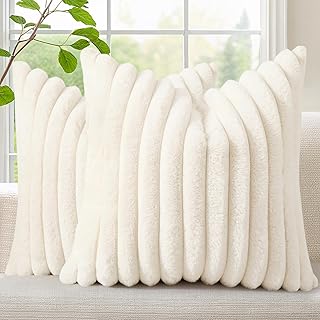
decorUhome Summer Cozy Faux Fur Throw Pillow Covers 18×18
A dependable everyday pick — decorUhome Summer Cozy Faux Fur Throw Pillow Covers 18×18 Set of 2 Dec pulls in 3 ratings at 4.5 stars. Not flashy, just solid.
13. Opt for a Low-Profile Coffee Table in a Cozy Retro Living Room

I mentioned my massive flea market failure earlier. That 14-inch high teak table was a disaster because I paired it with a modern sofa that sat 20 inches off the ground. I had to bend over awkwardly just to set down my coffee mug. The proportions were entirely wrong. Your coffee table needs to relate to your seating height. For a cozy retro living room, you want a low-profile table, but it must match your low-slung sofa. I eventually bought the 48-inch oval Bowie coffee table from Joybird for $695. It sits at exactly 16 inches high, which is perfectly level with my Joybird sofa’s seat cushions. The oval shape is crucial. Sharp rectangular tables break up the flow of the room and result in bruised shins. The smooth, curved edges of an oval or kidney-shaped table allow for easy movement. I keep the styling minimal. Just a cork coaster set ($14 from Target) and a single 6-inch amber glass candle from P.F. Candle Co. ($24).
14. Swap Basic Hardware for Antique Brass or Copper

It’s the small details that ruin a retro aesthetic. My vintage credenza came with cheap, shiny 1990s replacement knobs that the previous owner installed. They completely ruined the mid-century vibe. I spent an afternoon swapping them out. I bought a set of 6 solid antique brass cone knobs from Rejuvenation. They were pricey at $12 each, but the heavy weight and dull, aged finish make the credenza look expensive again. I used a simple Philips head screwdriver. It took exactly 20 minutes. You can also do this with your switch plates. I unscrewed the cracked white plastic light switch covers and replaced them with brushed copper plates I found at Home Depot for $6.98 each. The copper has slowly oxidized over the past year, developing a beautiful, dark patina. It’s a tiny change, but when you turn on the lamps at night, the warm metal plates catch the light in a way that cheap plastic never will.
15. Create a Dedicated Analog Reading Nook

Every cozy space needs a corner dedicated to doing absolutely nothing. I converted an empty 4×4 foot corner near my window into a reading nook. I bought a vintage 1970s brown leather recliner on Craigslist for $150. The leather is scratched and worn soft, smelling faintly of old paper and cedar. I draped a heavy, mustard-yellow wool throw blanket from Pendleton ($169, 54×72 inches) over the back to hide a small tear in the seam. Wool is scratchy, but it’s incredibly warm during winter mornings. To light the space, I added an adjustable brass floor pharmacy lamp from Target. It cost $70 and stands 55 inches tall. I can angle the shade directly onto my book without lighting up the rest of the room. I keep my phone out of this corner entirely. It’s strictly for reading physical books or drinking coffee. Having a designated analog zone makes the entire living room feel more intentional and relaxing.

KHOYIME Large Macrame Wall Hanging Boho Woven Tapestry
A dependable everyday pick — KHOYIME Large Macrame Wall Hanging Boho Woven Tapestry pulls in 994 ratings at 4.5 stars. Not flashy, just solid.
16. Integrate Rattan or Wicker for Organic Texture

If your room is full of heavy velvet and dark walnut, it can start to feel a bit suffocating. You need a lighter, organic material to break it up. Rattan and wicker were massive in the 1970s, and they bring a casual, airy texture to the space. I bought a vintage rattan magazine holder at a thrift store for $8. It sits next to my leather chair and holds my crossword puzzle books. I also swapped out a heavy wooden side chair for a Marcel Breuer Cesca chair replica with a cane back. I got it from Amazon for $135. The woven cane back lets light pass through it, making the corner feel less cramped. Just be careful with cheap wicker. I bought a flimsy wicker basket from Walmart to hold blankets, and the sharp broken twigs snagged my expensive wool throw. I threw it out and replaced it with a tightly woven seagrass basket from World Market ($34.99). It’s much smoother and won’t ruin your textiles.
17. Use Amber Glassware and Ceramics for Decor

Clear glass vases look too modern and sterile for a retro space. I strictly use amber, olive green, or smoked glass for my decorative objects. The colored glass filters the sunlight beautifully. I found a heavy, 10-inch tall amber glass apothecary bottle at an antique shop for $22. I keep it on my windowsill. When the afternoon sun hits it, it casts a warm orange glow across the wall. I also collect matte ceramic pottery. Shiny glazes feel too contemporary. I bought a rough, unglazed terracotta vase from a local potter at a craft fair for $40. It measures 8 inches wide and holds dried eucalyptus stems ($8.99 a bunch at Kroger). The eucalyptus smells amazing and lasts for months without water. Mixing the translucent colored glass with the opaque, rough ceramics gives your shelves and tables a layered, collected-over-time look. It stops the room from looking like you bought everything from a single catalog page.
Building a retro space takes patience. You can’t rush it. I spent two years slowly swapping out generic pieces for items that actually have character and history. Don’t feel pressured to buy everything vintage. Mixing a new Joybird sofa with a thrifted credenza is the smartest way to get the look without sacrificing modern comfort. If you found these tips helpful, pin this article to your home decor board for your next weekend thrift store run.
Frequently Asked Questions
What colors work best for a cozy retro living room?
Focus on rich earth tones like oxblood, mustard yellow, olive green, and chocolate brown. Pair these deep colors with neutral bases like tan or cream, and add small pops of contrasting shades like pale mint or soft blue-green for balance.
How do I mix modern and vintage furniture?
Anchor the room with a modern, comfortable sofa that features a retro silhouette, like a low-slung curved back. Then, mix in authentic vintage accent pieces like a walnut credenza, a rattan side chair, or an antique brass floor lamp.
What kind of lighting makes a living room feel retro?
Skip harsh overhead recessed lights. Instead, use globe pendants, brass pharmacy floor lamps, and mid-century ceramic table lamps. Always use warm-toned LED bulbs (around 2700K) to mimic the soft, yellowish glow of vintage incandescent lighting.
What textures should I use for a 1970s aesthetic?
Layer heavy, tactile fabrics like wide-wale corduroy, rust velvet, and metallic-threaded boucle. Contrast these soft materials with natural elements like unglazed terracotta, smoked glass, and real plants in heavy ceramic pots.
