What’s Inside
- 1. Stack Dollar Tree Buckets for Foolproof Porch Planters
- 2. Build a Dowel Lantern That Looks Expensive
- 3. Layer Studio McGee Pillows the Right Way
- 4. Install Open Shelving with Specific Spacing
- 5. Create Low-Profile Table Centerpieces
- 6. Layer Rugs for Texture Without Overwhelm
- 7. Style Vintage Baskets with a Secret Weapon
- 8. Add Pastel Accents Through Lighting
- 9. Style a Hutch Like It Tells a Story
- 10. Mix Olive and Cream for Seasonal Transitions
- 11. Upgrade Bathroom Dispensers for Instant Polish
- 12. Style a Wooden Serving Dish Year-Round
- 13. Distress Shiplap Without Going Overboard
- 14. Hang an Offset Wreath for Authentic Charm
- 15. Layer Lighting on Mantels Strategically
- 16. Repurpose Vintage Crates as Floating Storage
- 17. Create a Gallery Wall with Thrifted Frames
- 18. Style Open Shelving with the Rule of Three
- 19. Add Texture with Chunky Knit Throws
- 20. Incorporate Greenery in Unexpected Places
I spent three years trying to nail that cozy farmhouse look, and honestly, I wasted so much money on trendy pieces that felt forced. Then I discovered these diy farmhouse decor ideas that actually work in real homes (not just styled shoots), and my whole approach shifted. These aren’t the cookie-cutter projects you’ve seen a thousand times—they’re the specific tweaks and budget hacks that made my space feel collected, not decorated.
Most people think farmhouse means buying everything new from big-box stores, but the best diy farmhouse decor ideas come from mixing thrifted finds with strategic DIY projects. I’m sharing the exact measurements, store names, and honest mistakes I made so you can skip the trial-and-error phase I went through.
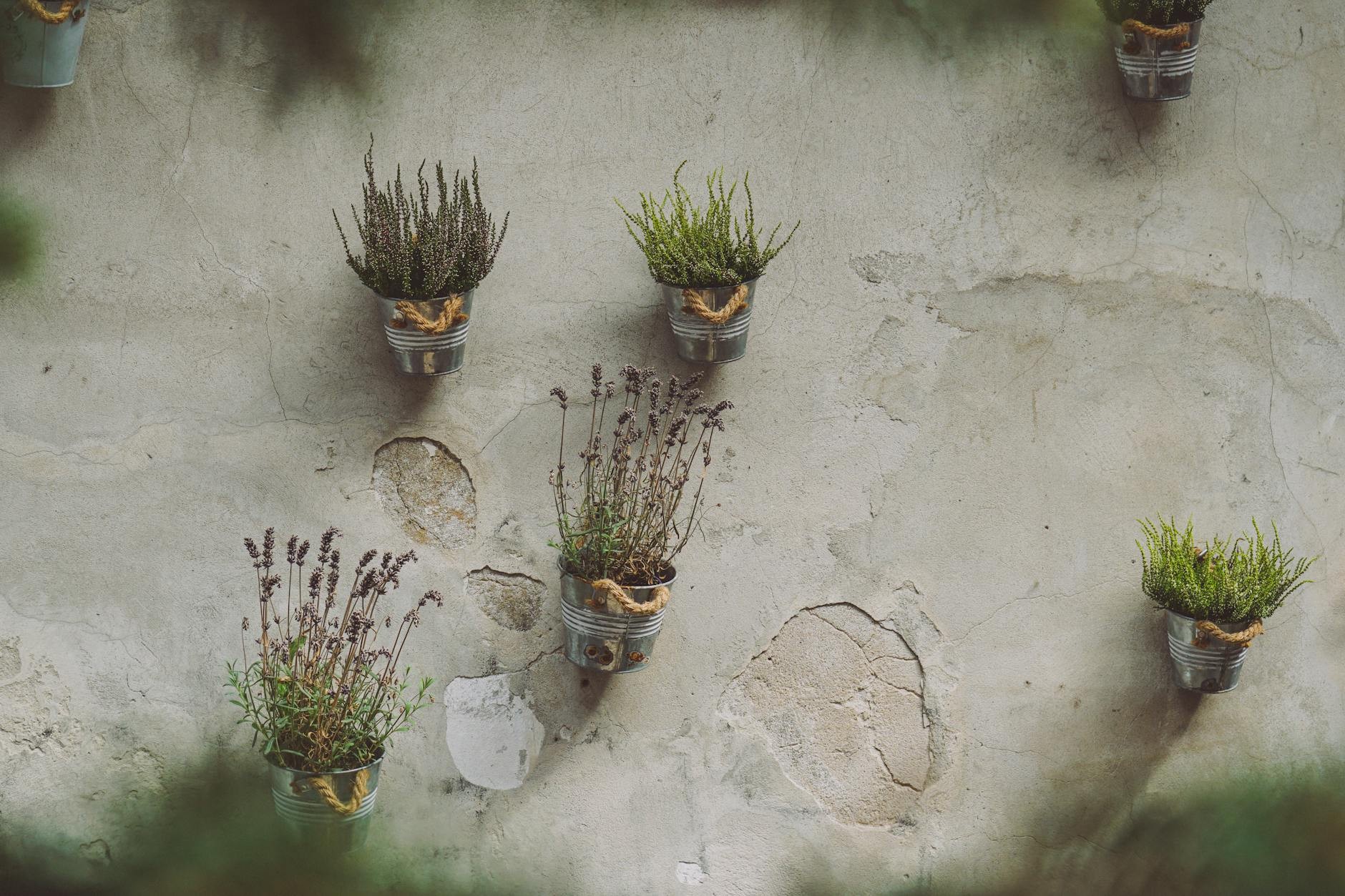
1. Stack Dollar Tree Buckets for Foolproof Porch Planters
I used to buy those expensive galvanized planters that rusted within a season, which drove me crazy. Then I tried stacking two 5-inch diameter plastic buckets from Dollar Tree with hot glue at the seam, wrapping jute twine around the middle to hide the connection point. The whole thing costs $5 with faux eucalyptus stems tucked inside, and it’s been on my porch for two years without tipping over in wind storms.
The secret most people miss? Single buckets are too lightweight and topple constantly, especially with tall greenery. The double-stack method gives you stability and height variation that looks intentional. I personally swear by this for renters who can’t drill into railings—just set three different heights in a cluster for that collected farmhouse vibe. Add a small river rock at the bottom for extra weight if you live in a windy area like I do.

2. Build a Dowel Lantern That Looks Expensive
This project changed how I think about open shelving decor. I bought 20 dowels (12-inch lengths) and Tumbling Tower blocks from Dollar Tree, glued them into a 10×10-inch cube frame, and dropped a battery-operated tea light inside. The whole thing cost under $10 and gives me that imperfect wood texture pros always talk about without the fire hazard of real candles.
I’ve made four of these now for different rooms, and guests always ask where I bought them. The key is leaving slight gaps between dowels so light filters through—don’t make them perfectly aligned or they look too crafty. I honestly prefer this over the $60 wooden lanterns at Hobby Lobby because I can customize the size. Pro tip: sand the dowels lightly before gluing if you want a smoother finish, though I like the raw Dollar Tree texture for authenticity.

3. Layer Studio McGee Pillows the Right Way
I made the classic mistake of piling seven pillows on my sofa because I thought more equaled cozier. Wrong. I switched to layering Studio McGee pillows from Target (those 20×20-inch linen stripes in black and white, $25 to $35 each) with one floral farmhouse throw pillow, limiting myself to three total. The 2026 trend is moving toward airy, lived-in vibes instead of that over-staged look that screams “trying too hard.”
Honestly, this changed how I use my couch—I can actually sit without moving a mountain of pillows first. I keep two striped pillows in the corners and one floral accent in the center, all with removable covers I can wash monthly. Most people get this wrong by mixing too many patterns or going monochrome, but the 80/20 rule works: 80% neutral stripes, 20% subtle pattern. It’s the difference between looking like a furniture showroom and a real home where people relax.

Dnnnii 2 Pack Wooden Wall Vase Set
Dnnnii 2 Pack Wooden Wall Vase Set – Brown Finish Modern Farmhouse & B punches above its price — 952 buyers rated it 4.5 stars. I would buy it again.

4. Install Open Shelving with Specific Spacing
I ripped out my upper cabinets last spring and installed reclaimed wood planks spaced exactly 15 to 18 inches apart, using 8-foot lengths of 1×12-inch boards from Home Depot ($20 to $30 each). The spacing matters more than I realized—too close feels cluttered, too far looks empty. I layer mine with wooden trays, a dough bowl, and antique crates I found at estate sales, and the imperfect wood grounds all those lighter ceramic elements.
The biggest mistake I see? People install shelves without considering what they’ll actually display. I measured my tallest dough bowl (12 inches) before drilling anything, then added 3 inches of breathing room. Experts always say imperfect wood is key for spring contrast, and they’re right—my too-perfect boards from Lowe’s looked sterile until I distressed them with a wire brush. This project took a full Saturday but saved me thousands compared to custom cabinetry.

5. Create Low-Profile Table Centerpieces
I used to stack tall vases in the center of my dining table until my husband complained he couldn’t see me during dinner. Now I use a 24-inch wooden dough bowl (splurged $40 on a vintage one from Etsy) filled with 3 to 5 eucalyptus stems and neutral linen napkins rolled casually inside. Keeping everything under 12 inches transformed our meal times because we can actually have conversations without craning our necks.
Budget versions work too—I’ve made these for friends using $15 bowls from HomeGoods with similar results. The common advice about keeping centerpieces low is actually practical, not just aesthetic. I personally rotate the contents seasonally: cotton stems in fall, fresh greenery in winter, dried lavender in spring. Pro tip: anchor lightweight stems with floral foam at the bowl’s bottom so they don’t shift when you set down serving dishes. This simple swap gets more compliments than any other decor change I’ve made.

6. Layer Rugs for Texture Without Overwhelm
I fought the layered rug trend for years because it seemed fussy, but I finally tried it with a 5×7-foot neutral jute base from Target ($50 to $80) topped by a 3×5-foot vintage-style wool runner. The trick is aiming for 60 to 70% overlap so you see both textures without looking like you couldn’t commit to one rug. This is trending hard for 2026 because it adds comfort to small spaces without the visual weight of one massive rug.
Honestly, this fixed my “flat floor” problem in our living room where everything felt two-dimensional. Pros avoid that flatness by adding literal layers, and it works. I vacuumed both rugs separately at first, which was annoying, until I realized the top rug catches most dirt anyway. Common mistake: using two busy patterns—keep your base neutral and add pattern only on top. My jute base has lasted three years with weekly vacuuming, which beats the lifespan of cheaper synthetic rugs I used to buy.

3D Wooden Floral Bathroom Wall Decor (Set of 4) Lightweight
If you want something that just works, 3D Wooden Floral Bathroom Wall Decor (Set of 4) Lightweight is a safe bet (591 reviews, 4.5 stars).

7. Style Vintage Baskets with a Secret Weapon
I collect 12 to 16-inch diameter seagrass baskets from thrift stores ($5 to $15 each) and stuff them with 4 to 6 rolled linen towels on my hutch for both storage and style. The lesser-known tip that changed everything? I line each basket with cedar blocks to deter moths naturally, something farmhouse expert Amber Strong recommends for multi-use pieces. No one sees the cedar, but my linens stay fresh and bug-free.
Most people display baskets empty or with random junk visible, which looks unfinished. I learned to treat them as functional art—beautiful enough to showcase but practical for hiding hand towels, charging cables, or dog leashes. The seagrass texture adds warmth to painted furniture without competing visually. I’ve tried wicker and wire baskets too, but seagrass holds its shape better and doesn’t snag fabrics. This is one of those tiny details that makes a room feel thoughtfully designed instead of just decorated.

8. Add Pastel Accents Through Lighting
I avoided pastels in farmhouse decor until I realized you can sneak them in through lighting temperature instead of paint colors. I installed 2700 to 3000K high-CRI LED bulbs in 6-inch diameter rattan pendants ($20 to $40 from Amazon) over my kitchen island, and the warm glow adds that spring 2026 freshness without committing to a full color palette. Limiting pastel influence to 10% of your scheme prevents that dated, over-saturated look.
The high-CRI part matters more than I expected—it makes wood tones and linen textures look natural instead of washed out. I made the mistake of using cheap LEDs first, and everything looked yellowish and dingy. Spending an extra $5 per bulb fixed that instantly. Pro tip: swap bulbs seasonally if you want cooler light in summer (3500K) and warmer in winter (2700K), though I’m too lazy for that and stick with 2700K year-round. This subtle change gets zero comments but makes the whole room feel cozier.

9. Style a Hutch Like It Tells a Story
I bought a 72-inch tall white farmhouse hutch from Wayfair ($300 to $500) with glass-front doors and simple brass hardware, then made the rookie mistake of filling every shelf. Now I display 8 to 10 neutral ceramics max, treating each piece like it carries a memory instead of just filling space. The 2026 trend is moving toward “collected” displays that feel personal, not catalog-perfect.
Honestly, this changed how I shop for decor—I only buy pieces I genuinely love or that remind me of something specific. My grandmother’s ironstone pitcher sits next to a modern stoneware vase, and that mix feels authentic. Most people over-style hutches with too many small items that create visual noise. I group items in odd numbers (3 or 5) and leave entire shelves empty for breathing room. The emotional warmth comes from restraint, which sounds counterintuitive but works beautifully in practice.

Vintage Vase Set of 3, Ceramic Vintage Flower Vases
Honestly, Vintage Vase Set of 3 surprised me — sturdier than it looks in the photos, and over 282 buyers gave it 4.5 stars.

10. Mix Olive and Cream for Seasonal Transitions
I thrifted olive linen throws (50×60-inch, $10 to $25) and draped them over my spindle-back dining chairs, layering with warm wood trays on the table. This color combo surprised me because it transitions perfectly from winter to spring without feeling holiday-specific. The gentle pattern mixing—olive throw against cream chair cushions—adds femininity that pure neutrals lack.
Most people stick to gray and white year-round, which can feel cold. I personally swear by olive as a bridge color that warms up neutrals without going full rustic lodge. I wash these throws monthly in cold water and they’ve held up better than my expensive West Elm versions. Pro tip: fold throws in thirds lengthwise and drape over chair backs instead of bunching them, which looks intentional rather than messy. This tiny palette shift made my dining room feel current without buying new furniture.

11. Upgrade Bathroom Dispensers for Instant Polish
I replaced every plastic soap bottle in my bathrooms with ceramic matte black dispensers from Target (8-ounce capacity, $12 to $18 each) and filled them with refillable castile soap. This urban farmhouse swap beats the visual clutter of brand-name bottles and actually saves money long-term since I buy soap concentrate in bulk. Small spaces like powder rooms benefit most because every surface counts.
Honestly, this was the easiest high-impact change I made. Guests notice immediately, and I feel less embarrassed about my bathroom counters. The eco-friendly angle is a bonus—I’ve eliminated dozens of plastic bottles annually. Common mistake: buying dispensers without checking the pump quality. Target’s ceramic versions have sturdy pumps that haven’t broken after a year of daily use, unlike cheaper Amazon options I tried first. I keep a backup bottle of castile soap under the sink and refill monthly, which takes 30 seconds.

12. Style a Wooden Serving Dish Year-Round
I bought a 14-inch round acacia serving dish from Amazon ($15 to $25) and it lives permanently on my coffee table with 3-inch diameter soy votives that I rotate seasonally. Experts love this trick because it’s versatile across metal, wood, and glass combos for that effortless 2026 lived-in look. In spring I add faux stems, in fall I switch to mini pumpkins, in winter I use pine cones.
The dish itself grounds everything and prevents that “stuff scattered on a table” vibe. I made the mistake of buying a painted tray first, which limited my seasonal options. Natural wood works with every color scheme and develops a pretty patina over time. Pro tip: choose a dish with low sides (under 2 inches) so it doesn’t block sight lines across the table. This $20 investment gets used daily and has replaced at least five seasonal decor purchases I would’ve made otherwise.

Pigort 3 Pieces Metal Flowers Wall Art- Rustic Farmhouse
Pigort 3 Pieces Metal Flowers Wall Art- Rustic Farmhouse Decor Minimal punches above its price — 24 buyers rated it 4.5 stars. I would buy it again.

13. Distress Shiplap Without Going Overboard
I installed shiplap walls using 1×6-inch pine boards (8-foot lengths, $10 each from Lowe’s) spaced 1/8-inch apart, then painted them with thin coats of Valspar Farmhouse White ($30 per gallon). The Chip and Joanna Gaines inspiration is real, but I learned not to over-distress because it cracks prematurely. I lightly sanded edges after the second coat dried, focusing on corners where natural wear would occur.
Most DIY tutorials skip the spacing detail, but those 1/8-inch gaps create authentic shadow lines that make shiplap look original to the house. I used nickel spacers between boards during installation to keep gaps consistent. Honestly, this project took two full weekends and my back hurt for days, but it transformed our bedroom from builder-grade boring to custom farmhouse. The thin paint coats are crucial—thick layers look plasticky and chip easily. I applied three thin coats instead of two thick ones, which used the same amount of paint but looked way better.

14. Hang an Offset Wreath for Authentic Charm
I made a DIY rag wreath (18-inch diameter from 1-inch cotton strips, $8 fabric cost) and hung it off-center on a salvaged barn door mirror (36×48-inch, $50 thrift find) in my entryway. Pros warn against symmetry in farmhouse design because it reads too formal, and they’re absolutely right. The offset placement feels collected and imperfect, which is the whole point of this style for 2026.
I tied fabric strips around a wire wreath form from Dollar Tree, leaving ends loose and uneven for texture. The whole thing took one Netflix movie to complete. Most people center wreaths religiously, but that offset trick makes such a difference in creating authentic farmhouse charm versus catalog staging. I switch out the fabric seasonally—cream and burlap in winter, lighter linens in spring. The barn door mirror was my best thrift score ever, and hanging the wreath on it instead of the wall behind it adds unexpected depth.

15. Layer Lighting on Mantels Strategically
I installed 3 to 4 rattan sconces (8-inch height, $15 to $30 each) flanking my fireplace mantel, using soft 2700K bulbs to make textures pop. The high-CRI specification ensures my 12-inch dough bowl centerpiece and stone accents look natural instead of flat. This trending budget formula—80% neutrals, 20% stone and wood—keeps porches and mantels grounded without feeling cluttered.
Honestly, lighting was the missing piece in my mantel styling for years. I had the right objects but everything looked dull until I added these sconces. The rattan texture softens the light and adds another natural material to the mix. Common mistake: using only overhead lighting, which creates harsh shadows. I wire-nutted these sconces to existing electrical boxes, but battery-operated versions work too if you don’t want to deal with wiring. The layered approach—ambient overhead plus focused sconce light—makes the mantel feel intentional and cozy, especially at night.

Vanselia Ceramic Flower Vase Home Decor
A dependable everyday pick — Vanselia Ceramic Flower Vase Home Decor – Farmhouse Table Vases Rustic pulls in 700 ratings at 4.5 stars. Not flashy, just solid.

16. Repurpose Vintage Crates as Floating Storage
I mounted antique wooden crates (12×16-inch sizes from estate sales, $8 to $20 each) directly to my kitchen wall using L-brackets hidden inside. They hold cookbooks, small plants, and coffee mugs while adding that imperfect wood texture everyone craves. The key is mixing crate sizes and mounting them at slightly different heights instead of in a perfect grid, which would kill the farmhouse vibe.
I made the mistake of buying new “distressed” crates from craft stores first, and they looked fake compared to genuinely old ones with paint splatters and worn corners. Real vintage crates have character you can’t replicate. Pro tip: reinforce the back panel with wood glue before mounting because old crates can be fragile. I’ve had mine up for 18 months holding surprisingly heavy items without issues. This project cost under $50 total and replaced floating shelves that felt too modern for my farmhouse kitchen.

17. Create a Gallery Wall with Thrifted Frames
I collected mismatched frames (8×10-inch to 16×20-inch sizes, $2 to $8 each) from thrift stores over three months, spray-painted them all matte black, and created a gallery wall in my hallway. The uniform color ties together different frame styles—ornate, simple, wide, narrow—for cohesive farmhouse charm. I filled them with botanical prints I downloaded free from library archives and printed at Staples for $3 each.
Most people either buy matching frame sets (boring) or leave frames mismatched colors (chaotic). The paint unification trick gives you the best of both worlds. I laid everything on the floor first and took a photo to plan placement before hammering a single nail. Honestly, this took patience—I almost gave up and bought a pre-made set from Target. But the custom result feels so much more personal. I included one empty vintage frame just leaning against the wall at the bottom, which adds that collected-over-time feeling designers always talk about.

18. Style Open Shelving with the Rule of Three
I reorganized my open kitchen shelves using the rule of three—grouping items in sets of three different heights, textures, and purposes. A tall ceramic pitcher next to a medium wooden cutting board leaning against a low stack of white plates creates visual interest without looking cluttered. This designer trick transformed my shelves from chaotic to curated overnight.
The biggest mistake I made initially? Lining up everything by size like a store display. Real homes need functional beauty, so I mix pretty items (vintage crocks) with everyday stuff (my favorite mugs). I keep 40% of each shelf empty, which felt wasteful at first but actually makes the displayed items stand out more. Pro tip: rotate items seasonally to keep things fresh without buying new decor. My Christmas mugs live in a cabinet most of the year, then swap places with everyday mugs in December. This costs nothing and keeps my kitchen feeling current.

19. Add Texture with Chunky Knit Throws
I draped a chunky knit throw (50×60-inch cream version from HomeGoods, $35 to $50) over my living room armchair, and it instantly softened the space. The oversized knit adds dimensional texture that flat pillows can’t achieve. I personally swear by cream or oatmeal colors because they hide stains better than pure white but still feel fresh and neutral.
These throws photograph beautifully, which matters if you’re trying to make your space Instagram-worthy. But more importantly, they’re actually cozy to use during movie nights. I wash mine in a garment bag on delicate cycle monthly, and it’s held up perfectly. Common mistake: buying acrylic versions that pill immediately—spend the extra $20 for cotton or wool blends. I keep mine casually draped instead of perfectly folded because that lived-in look is more authentic farmhouse than staged perfection. This single throw gets more use than any other decor item I own.

20. Incorporate Greenery in Unexpected Places
I stuck faux eucalyptus stems (18-inch lengths, $8 for a bundle at Hobby Lobby) in places beyond the obvious vase-on-table setup. They’re tucked into my bathroom towel basket, woven through my bedroom mirror frame, and laid across my kitchen windowsill. This repetition of the same greenery throughout the house creates cohesion without matching everything exactly.
Honestly, this was a game-changer for tying rooms together. I bought three bundles during a 50% off sale and divided stems among five rooms. The subtle repetition makes the whole house feel intentionally designed instead of randomly decorated. Most people either go overboard with greenery (every surface covered) or skip it entirely. I aim for one green element per room, placed somewhere unexpected. Pro tip: dust faux stems monthly with a microfiber cloth so they don’t look obviously fake. Real greenery dies in my house within days, so quality faux stems are my compromise between style and reality.
These DIY farmhouse decor ideas have completely changed how I approach decorating—focusing on layers, textures, and pieces that actually function in daily life instead of just looking pretty. Start with one or two projects that excite you most, and build from there. Save this list and come back to it when you’re ready for your next project—I promise these aren’t going out of style anytime soon.

Frequently Asked Questions
What are the easiest DIY farmhouse decor ideas for beginners?
Start with Dollar Tree bucket planters ($5 total), layered throw pillows from Target ($25-$35), or a wooden serving dish styled with candles ($20). These require minimal tools and create immediate impact without advanced skills or large budgets.
How much does DIY farmhouse decor typically cost?
Most projects range from $5 to $50 depending on materials. Dollar Tree crafts cost under $10, thrifted vintage baskets run $5-$15, and larger projects like open shelving with reclaimed wood cost $40-$90 for materials. Budget 80% neutrals and 20% accent pieces.
What’s the biggest mistake people make with farmhouse decor?
Over-styling spaces with too many items creates clutter instead of charm. Limit pillows to 3-5 per sofa, keep centerpieces under 12 inches tall, and leave 40% of open shelving empty. Authentic farmhouse style feels collected and lived-in, not staged.
Where can I find affordable farmhouse decor materials?
Dollar Tree for buckets and dowels, Target for Studio McGee pillows and dispensers, Home Depot for reclaimed wood planks, thrift stores for vintage baskets and frames, and HomeGoods for throws. Estate sales offer the best authentic vintage pieces at $5-$20 each.